Christmas party season 2026: the nights you can buy a ticket for, and the ones you can't
More than 1,500 Christmas party nights are already on sale across the UK. But DJ booking data from ORDO shows much of the season is planned in days, in living rooms and offices.
Every December has two party seasons. One is on sale already: the all-inclusive party nights, club nights and New Year's Eve tickets that fill event listings from the autumn. The other barely shows up in any listing. It happens in living rooms, offices and hired rooms, and it is usually arranged a week or two before the night.
We looked at both. The ticketed side comes from more than 1,500 Christmas party listings on EventsList. The private side comes from booking requests to ORDO, a platform for booking DJs for private events, which shared anonymised figures with us.
The ticketed season: 1,561 party nights, mostly on four weekends
As of late October, EventsList lists 1,561 events billed as Christmas or festive parties between 15 November and Christmas Eve, across 107 towns and cities.
London (96 listings), Glasgow (83), Newcastle (62), Birmingham (58) and Leeds (57) have the most Christmas party nights so far. You can browse them on our Christmas events page.
The other season: booked in days, not months
ORDO's figures cover DJ booking requests made since June, from the UK and abroad. It is a small sample, but it shows a very different rhythm from the ticketed calendar.

Offices behave more like the ticketed season. The first festive request ORDO received this year was for an office party in late November, sent seven weeks ahead.
"Listings capture the ticketed nights, but a lot of the season happens in living rooms and offices. More than half of house party requests on ORDO come in less than a week before the night, so people want to hear a DJ's mixes and book quickly."
— Tuna Bahadır, founder of ORDO
Doing the maths: party night or your own DJ?
For a team or group of ten, a shared party night at the median price of £40 a head comes to about £400. That is the same range as the £200 to £500 most UK hosts budgeted for a DJ on ORDO.
The two are not the same night out. A party night includes the venue, food and a room full of strangers. A private DJ needs a space, and the drinks and food are on you. But for a group that already has a living room, an office floor or a free function room, the DJ is no longer the expensive option.
Booking a DJ for a house or office party: a short checklist
If you are charging entry or selling drinks, the rules change. Check with your local council before the night.
Would rather just buy a ticket?
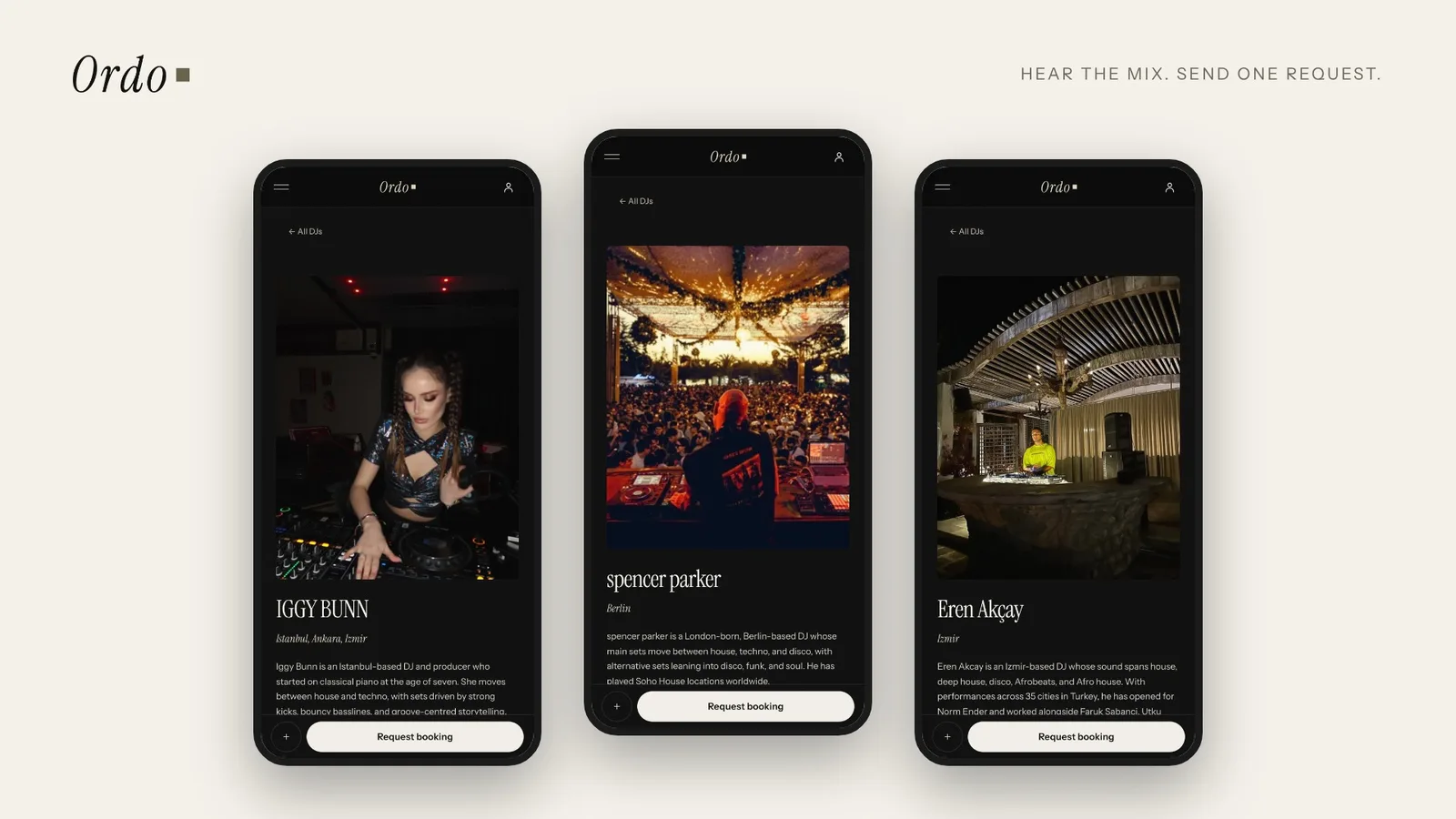
You can browse Christmas party nights, London nightlife and, from late November, New Year's Eve events on EventsList. And if you are running a night yourself and still need a DJ, ORDO lets you hear DJs' mixes and send a booking request in one go.
About the data: EventsList figures are based on active listings on EventsList.co.uk on 25 October 2026 with "Christmas party", "Xmas party" or "festive party" in the title, starting between 15 November and 24 December 2026. Prices are the cheapest ticket price on each listing. "Listed in advance" measures the time from when a listing first appeared on EventsList to the event date, so actual on-sale periods are longer. ORDO figures are anonymised booking requests to ordo.events since June 2026, shared by ORDO; guest counts were not collected consistently and are not included.
More from the Blog
Outdoors Events in the UK — November 2026 Highlights
November brings a magical chill to the British Isles, perfect for outdoor enthusiasts seeking guided walks, winter wildlife encounters, and urban adventures. Read our full guide to the top outdoors events UK has scheduled for late autumn.
What's On in Bristol This Week — 10 November to 16 November 2026
Explore over 800 bristol events this week, featuring AI workshops, snooker, sports, and more. Don't miss our curated list of top picks and free things to do.
What's On in Liverpool This Week — 10 November to 16 November 2026
Explore over 740 activities across music, sports, and wellness in Liverpool. From the iconic Exhibition Centre to local community hubs, find your perfect outing.
What's On in Edinburgh This Week — 10 November to 16 November 2026
Explore over 900 edinburgh events this week! We highlight the top 5 picks, free activities, and categories including music, sports, and wellness for November 10-16, 2026.