Digital Foundry Seminar Series: I, Scientist: Evidence, Deception, and Conflict in Automated Science
14°C · 19% rain
Ask AI: is it for me?
Similar events
View allNot quite it? Try these
See all Mon, 23 Nov 2026
Information Lecture: Help and Healing on the Spiritual Path
Free Entry
 Mon, 30 Nov 2026
Celebrating 5 Years of Seed Talks!
£16.19
 Fri, 4 Dec 2026
Information Lecture: Help & Healing on the Spiritual Path
Free Entry
 Wed, 18 Nov 2026
Garry Starr: Classic Penguins
£42
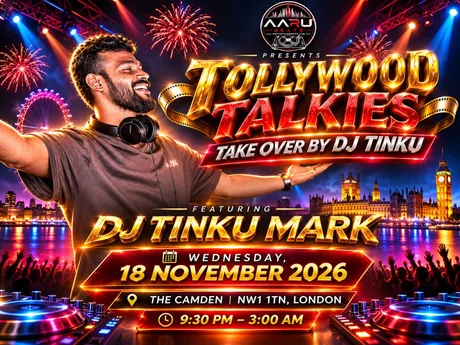 Wed, 18 Nov 2026
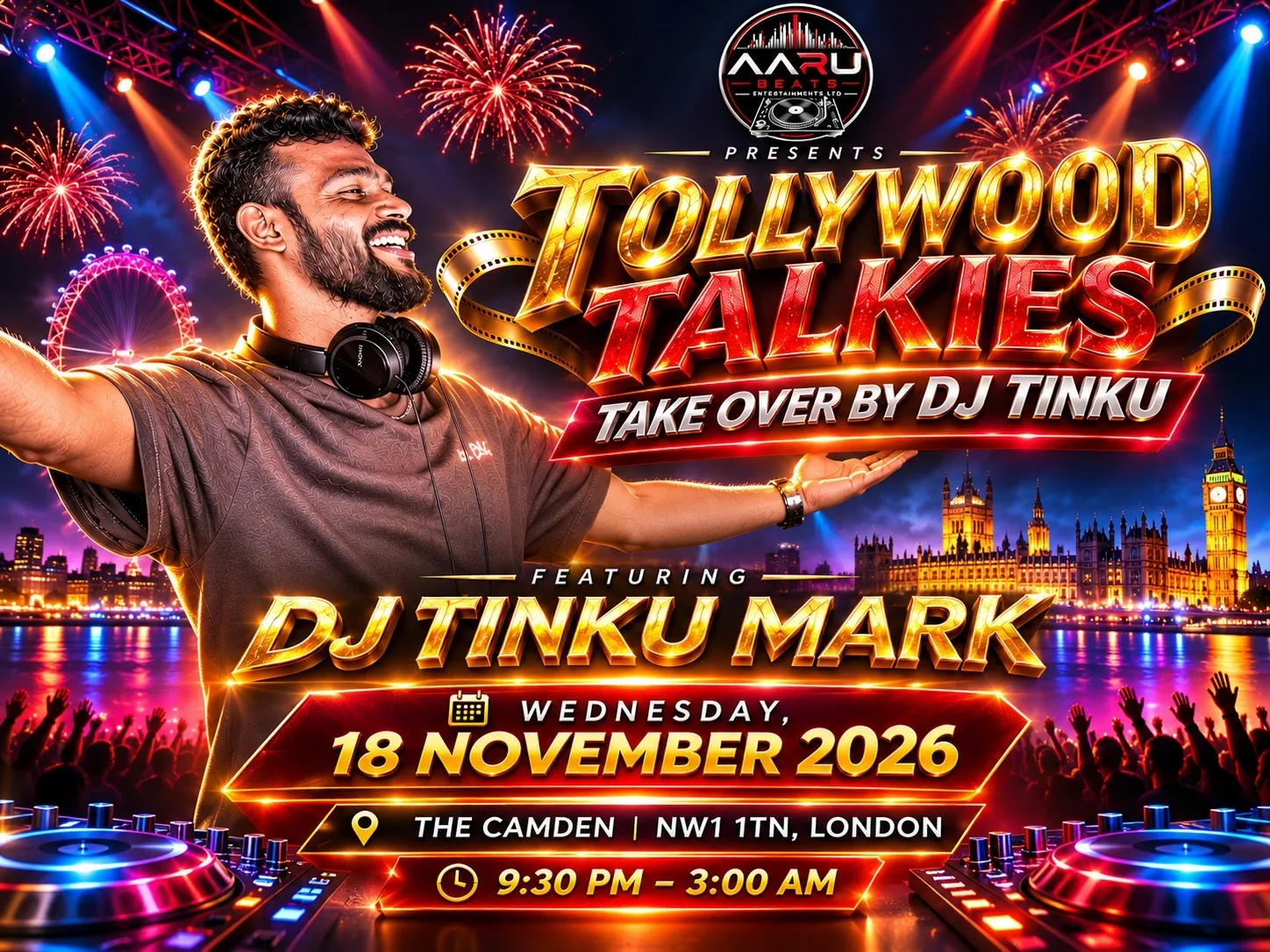
TOLLYWOOD TALKIES
From £11
About This Event
The Translation and Innovation Hub hosts a Digital Foundry Seminar Series talk on 2 December 2026 titled I, Scientist: Evidence, Deception, and Conflict in Automated Science. The presentation uses stories from Isaac Asimov's I, Robot to discuss questions about authorship and scientific integrity. It introduces greCAPTCHA and demonstrates how remote adversaries can industrialize scientific fraud.
Abstract: As scientists increasingly delegate their work to AI systems, questions about authorship, the integrity of scientific evidence, and the priorities of research communities are becoming urgent. Organized around three stories from Isaac Asimov’s I, Robot (1950), this talk presents our metascientific approach to answering these questions. First, under “Evidence,” we introduce greCAPTCHA, an automated system that assesses whether claimed authors can verify and understand their own submissions. In an in-person evaluation with 31 participants, greCAPTCHA distinguished authors from non-authors with an AUC of 0.90, and participants expressed support for its deployment. Second, under “Liar!”, we show that a remote adversary can industrialize scientific fraud by poisoning open datasets, steering autonomous research agents toward false conclusions in half of all runs. Because the agents detected the poisoning in only 6% of cases, we propose interventions that largely mitigate such indirect data poisoning. Third, under “The Evitable Conflict,” we curate large corpora of AI research papers and use computational analyses to map how research communities engage with AI safety and ethics. We argue that critical bridging (mapping irreconcilable differences while building durable forms of collaboration) may be the most epistemically inclusive way to engage with AI risks. We close by asking what the laws of automated science might be, discussing the policy implications of our findings, and identifying the questions that most urgently need our attention. Bio: Bálint Gyevnár is a postdoctoral research associate at Carnegie Mellon University who studies the metascience of artificial intelligence. His work combines computational methods and human-subject studies to understand how AI is changing the way science is done, what it can claim to know, and how scientific communities are organized. His research has appeared in leading venues for AI, human-computer interaction, and robotic
Description supplied by the event organiser.
Similar Events in London
View all →Mon, 23 Nov 2026
Information Lecture: Help and Healing on the Spiritual Path
Quaker Meeting House
Free Entry
Mon, 30 Nov 2026
Celebrating 5 Years of Seed Talks!
21Soho
£16.19
Fri, 4 Dec 2026
Information Lecture: Help & Healing on the Spiritual Path
The Friends Meeting House,
Free Entry
Wed, 18 Nov 2026
Garry Starr: Classic Penguins
The Other Palace
£42
Wed, 18 Nov 2026
TOLLYWOOD TALKIES
The Camden
From £11
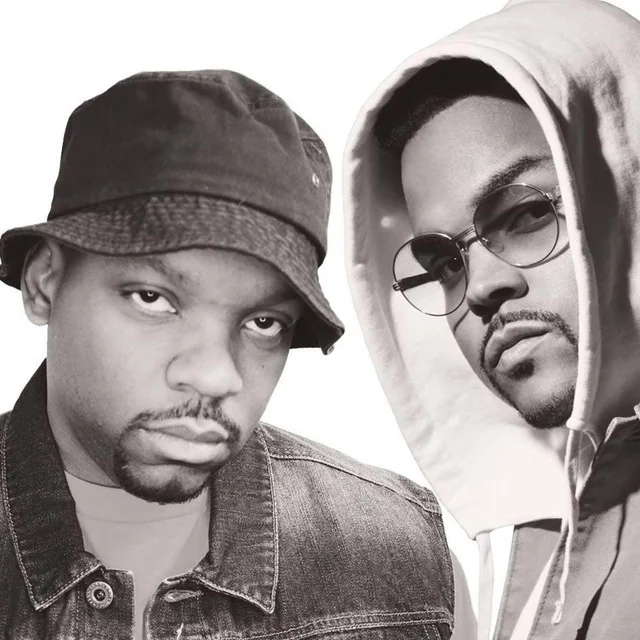
Wed, 18 Nov 2026
Slum Village (21:30)
Blue Note
More at Translation and Innovation Hub (I-HUB), White City Campus
View all →
Thu, 19 Nov 2026
CLAW: AI in Science Seminar Series – Building AI Research Partners: Connecting Scientific Knowledge, Ideas and Experiments with Professor Yulan He
Translation and Innovation Hub (I-HUB), White City Campus
Free Entry
Wed, 25 Nov 2026
Breaking Topics in AI Conference 2026
Translation and Innovation Hub (I-HUB), White City Campus
Free Entry
Tue, 26 Jan 2027
Digital Foundry Seminar Series: Learning the Temporal Structure of Disease from Clinical Records with Professor Hossein Estiri
Translation and Innovation Hub (I-HUB), White City Campus
Free Entry
Frequently asked questions
Digital Foundry Seminar Series: I, Scientist: Evidence, Deception, and Conflict in Automated Science takes place on Wednesday, 2 December 2026 at 14:00.
Digital Foundry Seminar Series: I, Scientist: Evidence, Deception, and Conflict in Automated Science is held at Translation and Innovation Hub (I-HUB), White City Campus in London (LRT 608 A+B, I-X Level 6, Translation and Innovation Hub (I-HUB), W12 0BZ).
Entry to Digital Foundry Seminar Series: I, Scientist: Evidence, Deception, and Conflict in Automated Science is free.
The forecast for Digital Foundry Seminar Series: I, Scientist: Evidence, Deception, and Conflict in Automated Science is Drizzle · 14°C.
Tickets for Digital Foundry Seminar Series: I, Scientist: Evidence, Deception, and Conflict in Automated Science can be booked via imperial.ac.uk using the "Check Tickets & Live Prices" button on this page, which opens the official booking site in a new tab.
Digital Foundry Seminar Series: I, Scientist: Evidence, Deception, and Conflict in Automated Science
Editorial summaryAbout this event
The Translation and Innovation Hub hosts a Digital Foundry Seminar Series talk on 2 December 2026 titled I, Scientist: Evidence, Deception, and Conflict in Automated Science. The presentation uses stories from Isaac Asimov's I, Robot to discuss questions about authorship and scientific integrity. It introduces greCAPTCHA and demonstrates how remote adversaries can industrialize scientific fraud.
This summary was automatically generated from event data sourced from official ticketing providers.
Abstract: As scientists increasingly delegate their work to AI systems, questions about authorship, the integrity of scientific evidence, and the priorities of research communities are becoming urgent. Organized around three stories from Isaac Asimov’s I, Robot (1950), this talk presents our metascientific approach to answering these questions. First, under “Evidence,” we introduce greCAPTCHA, an automated system that assesses whether claimed authors can verify and understand their own submissions. In an in-person evaluation with 31 participants, greCAPTCHA distinguished authors from non-authors with an AUC of 0.90, and participants expressed support for its deployment. Second, under “Liar!”, we show that a remote adversary can industrialize scientific fraud by poisoning open datasets, steering autonomous research agents toward false conclusions in half of all runs. Because the agents detected the poisoning in only 6% of cases, we propose interventions that largely mitigate such indirect data poisoning. Third, under “The Evitable Conflict,” we curate large corpora of AI research papers and use computational analyses to map how research communities engage with AI safety and ethics. We argue that critical bridging (mapping irreconcilable differences while building durable forms of collaboration) may be the most epistemically inclusive way to engage with AI risks. We close by asking what the laws of automated science might be, discussing the policy implications of our findings, and identifying the questions that most urgently need our attention. Bio: Bálint Gyevnár is a postdoctoral research associate at Carnegie Mellon University who studies the metascience of artificial intelligence. His work combines computational methods and human-subject studies to understand how AI is changing the way science is done, what it can claim to know, and how scientific communities are organized. His research has appeared in leading venues for AI, human-computer interaction, and robotic
Description supplied by the event organiser.
WhereTranslation and Innovation Hub (I-HUB), White City Campus
LRT 608 A+B, I-X Level 6, Translation and Innovation Hub (I-HUB), W12 0BZ
Hammersmith and Fulham, London
Before you goFrequently asked questions
When is Digital Foundry Seminar Series: I, Scientist: Evidence, Deception, and Conflict in Automated Science?
Digital Foundry Seminar Series: I, Scientist: Evidence, Deception, and Conflict in Automated Science takes place on Wednesday, 2 December 2026 at 14:00.
Where is Digital Foundry Seminar Series: I, Scientist: Evidence, Deception, and Conflict in Automated Science taking place?
Digital Foundry Seminar Series: I, Scientist: Evidence, Deception, and Conflict in Automated Science is held at Translation and Innovation Hub (I-HUB), White City Campus in London (LRT 608 A+B, I-X Level 6, Translation and Innovation Hub (I-HUB), W12 0BZ).
How much are tickets for Digital Foundry Seminar Series: I, Scientist: Evidence, Deception, and Conflict in Automated Science?
Entry to Digital Foundry Seminar Series: I, Scientist: Evidence, Deception, and Conflict in Automated Science is free.
What will the weather be like at Digital Foundry Seminar Series: I, Scientist: Evidence, Deception, and Conflict in Automated Science?
The forecast for Digital Foundry Seminar Series: I, Scientist: Evidence, Deception, and Conflict in Automated Science is Drizzle · 14°C.
How do I get tickets for Digital Foundry Seminar Series: I, Scientist: Evidence, Deception, and Conflict in Automated Science?
Tickets for Digital Foundry Seminar Series: I, Scientist: Evidence, Deception, and Conflict in Automated Science can be booked via imperial.ac.uk using the "Check Tickets & Live Prices" button on this page, which opens the official booking site in a new tab.
Price
Free Entry
Date
Time
Weather
feels like 12°C · chance of rain 19% · wind 19 km/h
Venue
LRT 608 A+B, I-X Level 6, Translation and Innovation Hub (I-HUB), W12 0BZ
Secure checkout on imperial.ac.uk — opens in a new tab
Ask AI: is it for me?
EventsList lists 211,000+ events across the UK. Tickets are sold by the venue or its authorised sellers, never by us.
Same venueMore at Translation and Innovation Hub (I-HUB), White City Campus
All at this venueNot this one?Similar events in London
View all
More things to do in London
- Yotam Ottolenghi - Simple Too: LIVEMonday, 7 December 2026
- McLaren Racing Live in ConversationMonday, 14 December 2026
- Curious Hour: A Psychedelics Science NightSaturday, 19 December 2026
- The Business of Media: The Future of Attention, Audience and GrowthThursday, 19 November 2026
- Curious Hour: Inside the Mind of a Serial KillerThursday, 26 November 2026
- “Ja, das ist Berlin” — The real Berliner Kabarett Revealed w/ Le PustraSaturday, 21 November 2026
- Nick Heyward: In Conversation w/ Adam Buxton + SigningSaturday, 28 November 2026
- CILT(UK) Chartered Centenary Lunch 2026Thursday, 10 December 2026
- Book Talk – A Woman Named Edith, by Daria SantiniThursday, 26 November 2026
- Junior Analysis Seminar – Zhuoya Yao (Lyon)Wednesday, 2 December 2026
- IN PERSON STUDY & CONVERSATION GROUP - SUPERSENSIBLE INFLUENCES IN THE EVOL.....Wednesday, 2 December 2026
- Why Future Talent Matters, Panel DiscussionWednesday, 2 December 2026
- CoMENS Seminar SeriesWednesday, 2 December 2026
- HEP seminar: Matthew Birch (Imperial) – K*mumu wibbly wobblyWednesday, 2 December 2026