
Before the Answer: Visual Methods and the Preservation of Judgement
Ask AI: is it for me?
Similar events
View allAbout This Event
A talk titled 'Before the Answer: Visual Methods and the Preservation of Judgement' will occur at Cambridge Digital Humanities on 7 December 2026 at 13:00. The session will focus on using generative models to address research questions, with free entry.
Ask a generative model a research question and a complete, plausible answer arrives at once. We'll workshop the 'something' lost.
Convenor
Dr Ricardo Assis Rosa
Ricardo Assis Rosa is a chartered architect and Senior Teaching Fellow at the Department of Architecture, where he teaches a Year 2 design studio. His work examines how people think without words, treating drawing, diagramming and modelling as complete methods of forming knowledge, and how teaching can be structured so that visual and spatial cognition, including dyslexic and neurodivergent ways of thinking, becomes a research strength. As a Methods Fellow he will teach visual methods of analysis and iteration drawn from the architecture studio, asking what the crit, the analytical diagram and the deliberately imperfect prototype offer researchers working with generative AI
Description
Ask a generative model a research question and a complete, plausible answer arrives at once. No hesitation, no intermediate states, nothing half formed to inspect. Something has been removed along with the effort, and this workshop is about what that something is. The design studio has a name for the space that disappears. It is the interval between a question and its answer, and it is where judgment lives. The method we will work with inverts the ordinary research sequence: rather than fixing a question and then answering it, you make a quick, deliberately insufficient drawing and read it back to discover what you assumed. Drawing makes you decide things that writing lets you put off. You see what you think before you can say it, and then you can test it. We will work together on a single shared problem, so that everyone can see how differently the same question can be held. We will diagram it, iterate through imperfect versions, put the same question to a generative tool, and examine the distance between the two answers. Through the workshop we will explore how this process can produce evidence of judgement which can support ways of disclosure with AI meaningful.
Is any equipment or Software required?
Participants will need to bring their own laptop.
Target Audience
Our CDH Methods workshops have limited places and are prioritised for students and staff at the University of Cambridge. However, if space is available, we welcome all participants who want to learn and apply digital methods and use digital tools in their research.
This session may be of particular interest to:
PhD students in the Arts, Humanities and Social Sciences
Early Career Researchers in the Arts, Humanities and Social Sciences
Contact CDH
If you have specific accessibility needs for this event, please get in touch. We will do our best to accommodate any requests, however please note that the building is grade 2 listed and has 4 steps into the building so unfortunately wheelchair access is not available.
This workshop is part of our Methods Fellowship programme, which develops and delivers innovative teaching in digital methods. You can read more about the programme here (https://www.cdh.cam.ac.uk/methods/methods-fellowships-2026-27/)and view the complete series of workshops here (https://www.cdh.cam.ac.uk/events/?type=1813&range=upcoming).
Description supplied by the event organiser.
Staying overnight?
Hotels within walking distance of Cambridge Digital Humanities, 2 Trumpington Street, Cambridge.
Ad · Stay22 affiliate link
Similar Events in Cambridge
View all →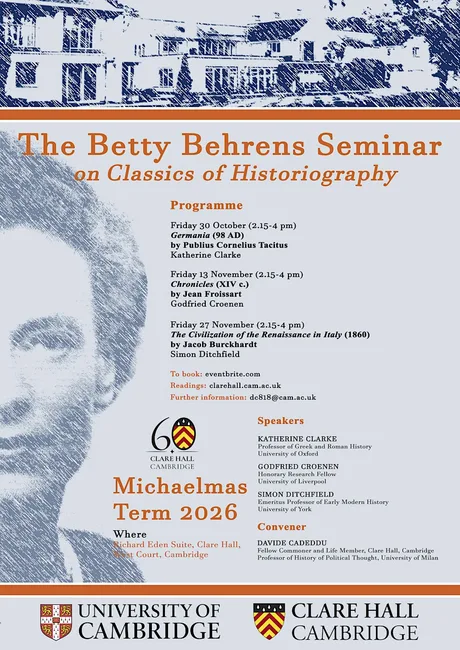
Fri, 13 Nov 2026
The Betty Behrens Seminar on Classics of Historiography
Clare Hall, University of Cambridge
Free Entry

Sun, 15 Nov 2026
THREE AMIGOS & ZORRO SEMINAR
Centre e community hub
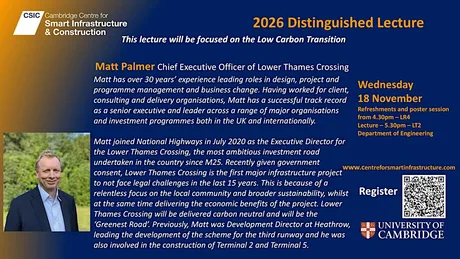
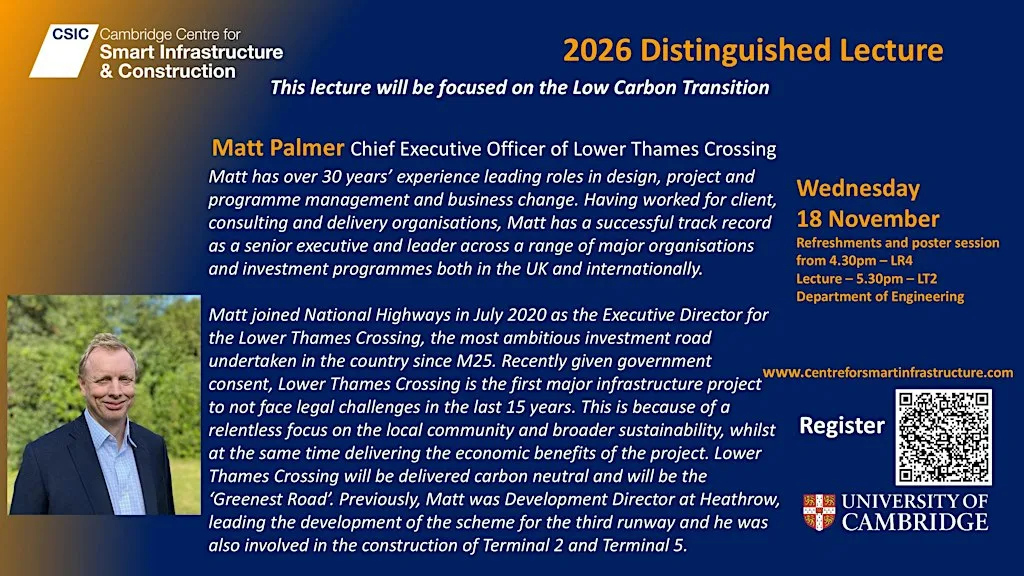
Wed, 18 Nov 2026
CSIC Distinguished Lecture 2026
Department of Engineering
Free Entry

Thu, 19 Nov 2026
Working with Loss in Palliative Care
Education Centre, Arthur Rank Hospice Charity
Free – £80
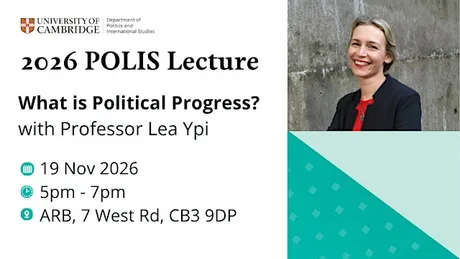
Thu, 19 Nov 2026
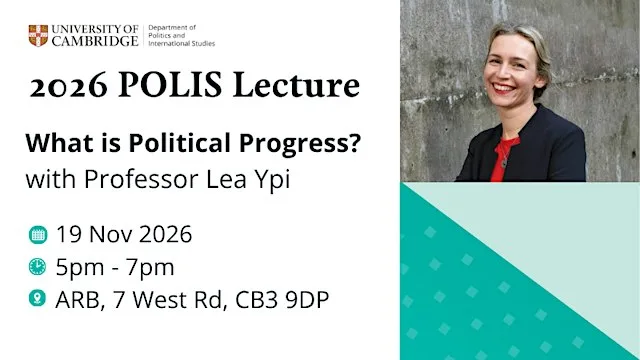
POLIS Lecture 2026 - What is Political Progress?
Alison Richard Building
Free Entry
Thu, 19 Nov 2026
BIPS 2026 Ann Lambton Lecture
Murray Edwards College
Free Entry
More at Cambridge Digital Humanities, 2 Trumpington Street, Cambridge
View all →
Mon, 23 Nov 2026
When More Talking isn't More Learning
Cambridge Digital Humanities, 2 Trumpington Street, Cambridge
Free Entry
Tue, 24 Nov 2026
Digital Archival Photography | an introduction
Cambridge Digital Humanities, 2 Trumpington Street, Cambridge
Free Entry
Mon, 30 Nov 2026
Data Centres and the City: A Critical Mapping Workshop
Cambridge Digital Humanities, 2 Trumpington Street, Cambridge
Free Entry

Mon, 14 Dec 2026
Acoustic Evidence in Context
Cambridge Digital Humanities, 2 Trumpington Street, Cambridge
Free Entry
Frequently asked questions
Before the Answer: Visual Methods and the Preservation of Judgement takes place on Monday, 7 December 2026 at 13:00.
Before the Answer: Visual Methods and the Preservation of Judgement is held at Cambridge Digital Humanities, 2 Trumpington Street, Cambridge in Cambridge (2 Trumpington Street, Cambridge, CB2 1QA).
Entry to Before the Answer: Visual Methods and the Preservation of Judgement is free.
Yes — hotels within walking distance of Cambridge Digital Humanities, 2 Trumpington Street, Cambridge can be compared using the accommodation search further down this page.
Tickets for Before the Answer: Visual Methods and the Preservation of Judgement can be booked via Eventbrite using the "Check Tickets & Live Prices" button on this page, which opens the official booking site in a new tab.

Editorial summaryAbout this event
A talk titled 'Before the Answer: Visual Methods and the Preservation of Judgement' will occur at Cambridge Digital Humanities on 7 December 2026 at 13:00. The session will focus on using generative models to address research questions, with free entry.
This summary was automatically generated from event data sourced from official ticketing providers.
Ask a generative model a research question and a complete, plausible answer arrives at once. We'll workshop the 'something' lost.
Convenor
Dr Ricardo Assis Rosa
Ricardo Assis Rosa is a chartered architect and Senior Teaching Fellow at the Department of Architecture, where he teaches a Year 2 design studio. His work examines how people think without words, treating drawing, diagramming and modelling as complete methods of forming knowledge, and how teaching can be structured so that visual and spatial cognition, including dyslexic and neurodivergent ways of thinking, becomes a research strength. As a Methods Fellow he will teach visual methods of analysis and iteration drawn from the architecture studio, asking what the crit, the analytical diagram and the deliberately imperfect prototype offer researchers working with generative AI
Description
Ask a generative model a research question and a complete, plausible answer arrives at once. No hesitation, no intermediate states, nothing half formed to inspect. Something has been removed along with the effort, and this workshop is about what that something is. The design studio has a name for the space that disappears. It is the interval between a question and its answer, and it is where judgment lives. The method we will work with inverts the ordinary research sequence: rather than fixing a question and then answering it, you make a quick, deliberately insufficient drawing and read it back to discover what you assumed. Drawing makes you decide things that writing lets you put off. You see what you think before you can say it, and then you can test it. We will work together on a single shared problem, so that everyone can see how differently the same question can be held. We will diagram it, iterate through imperfect versions, put the same question to a generative tool, and examine the distance between the two answers. Through the workshop we will explore how this process can produce evidence of judgement which can support ways of disclosure with AI meaningful.
Is any equipment or Software required?
Participants will need to bring their own laptop.
Target Audience
Our CDH Methods workshops have limited places and are prioritised for students and staff at the University of Cambridge. However, if space is available, we welcome all participants who want to learn and apply digital methods and use digital tools in their research.
This session may be of particular interest to:
PhD students in the Arts, Humanities and Social Sciences
Early Career Researchers in the Arts, Humanities and Social Sciences
Contact CDH
If you have specific accessibility needs for this event, please get in touch. We will do our best to accommodate any requests, however please note that the building is grade 2 listed and has 4 steps into the building so unfortunately wheelchair access is not available.
This workshop is part of our Methods Fellowship programme, which develops and delivers innovative teaching in digital methods. You can read more about the programme here (https://www.cdh.cam.ac.uk/methods/methods-fellowships-2026-27/)and view the complete series of workshops here (https://www.cdh.cam.ac.uk/events/?type=1813&range=upcoming).
Description supplied by the event organiser.
StayStaying overnight?
Hotels within walking distance of Cambridge Digital Humanities, 2 Trumpington Street, Cambridge. Searching near 2 Trumpington Street, Cambridge, CB2 1QA; check-in Monday, 7 December 2026.
Ad · Stay22 affiliate link
WhereCambridge Digital Humanities, 2 Trumpington Street, Cambridge
Before you goFrequently asked questions
When is Before the Answer: Visual Methods and the Preservation of Judgement?
Before the Answer: Visual Methods and the Preservation of Judgement takes place on Monday, 7 December 2026 at 13:00.
Where is Before the Answer: Visual Methods and the Preservation of Judgement taking place?
Before the Answer: Visual Methods and the Preservation of Judgement is held at Cambridge Digital Humanities, 2 Trumpington Street, Cambridge in Cambridge (2 Trumpington Street, Cambridge, CB2 1QA).
How much are tickets for Before the Answer: Visual Methods and the Preservation of Judgement?
Entry to Before the Answer: Visual Methods and the Preservation of Judgement is free.
Is there anywhere to stay near Before the Answer: Visual Methods and the Preservation of Judgement?
Yes — hotels within walking distance of Cambridge Digital Humanities, 2 Trumpington Street, Cambridge can be compared using the accommodation search further down this page.
How do I get tickets for Before the Answer: Visual Methods and the Preservation of Judgement?
Tickets for Before the Answer: Visual Methods and the Preservation of Judgement can be booked via Eventbrite using the "Check Tickets & Live Prices" button on this page, which opens the official booking site in a new tab.
Price
Free Entry
Date
Time
Venue
2 Trumpington Street, Cambridge, CB2 1QA
Secure checkout on Eventbrite — opens in a new tab
Ask AI: is it for me?
EventsList lists 221,000+ events across the UK. Tickets are sold by the venue or its authorised sellers, never by us.
Same venueMore at Cambridge Digital Humanities, 2 Trumpington Street, Cambridge
All at this venue
Not this one?Similar events in Cambridge
View all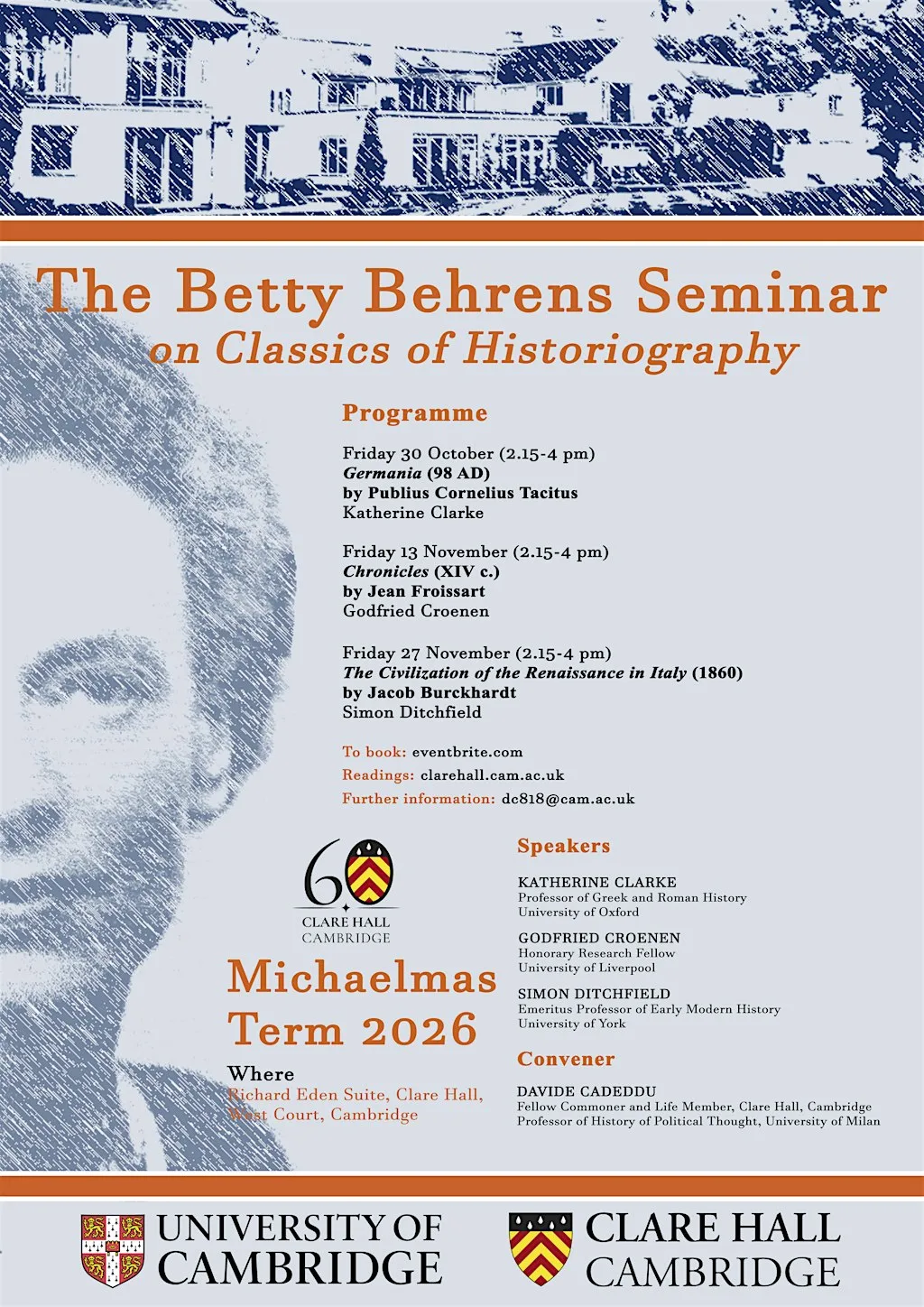


More things to do in Cambridge
- Assessing Geopolitical risk: past, present, and futureMonday, 16 November 2026
- Writing Partners: The Authors Who Inspired Agatha ChristieWednesday, 18 November 2026
- A Good Girl's Guide to Murder - Holly JacksonSunday, 20 December 2026
- A Fireside Chat with Hunter BidenSaturday, 14 November 2026
- The Revelation That Inspired Muhammad Ep 1 & 2Friday, 27 November 2026
- Shirley Smart's QuantaFriday, 13 November 2026
- Law and Climate Science - Cambridge Seminar Series on Law & Climate CrisisFriday, 27 November 2026
- Cambridge Energy MasterclassMonday, 7 December 2026
- Christmas LectureTuesday, 8 December 2026
- An Autistic Perspective on Communication and OCDSaturday, 5 December 2026
- Lecture 2: 10 December 2026 - Christmas Lectures from the Royal InstitutionThursday, 10 December 2026
- Belarus and the Baltic after 2022Friday, 4 December 2026
- Cambridge - People Planet Pint™: Sustainability MeetupThursday, 3 December 2026
- Lecture 3: 12 December 2026 - Christmas Lectures from the Royal InstitutionSaturday, 12 December 2026