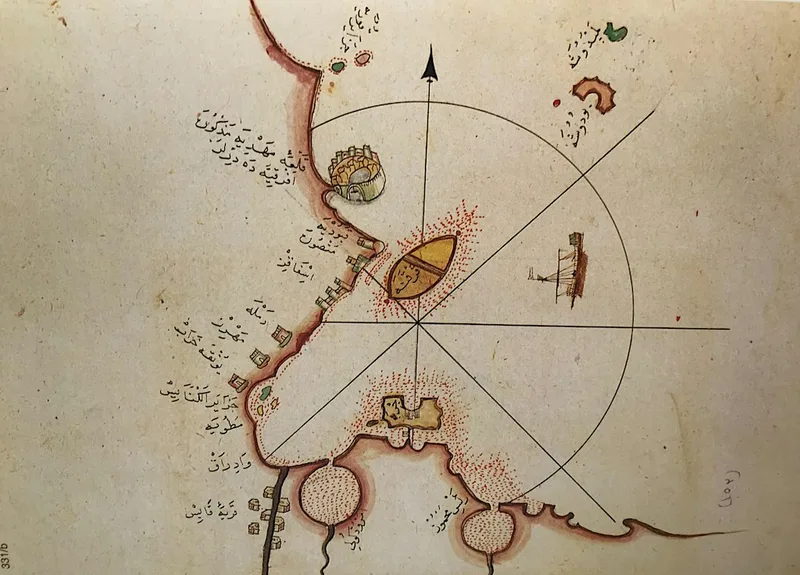
Faculty of History Trevelyan Lectures 2026
Ask AI: is it for me?
Similar events
View allAbout This Event
The Faculty of History Trevelyan Lectures will run from 2 to 13 November 2026 at the University of Cambridge. Professor Amy G. Remensnyder will deliver four lectures titled 'Why Deserted Islands Matter in History: The Fearsome Commons'.
“Why Deserted Islands Matter in History: The Fearsome Commons”
Professor Amy G. Remensnyder (Brown University)
The Faculty of History is delighted to welcome Professor Amy G. Remensnyder (Brown University) as the guest speaker for the 2026 Trevelyan Lectures, offering four lectures in a series titled Why Deserted Islands Matter in History: The Fearsome Commons.
Dates: Monday 2nd - Friday 13th November
Time: 5-6pm
Location: Lecture Theatre A (Arts School, New Museums Site), Bene't St, Cambridge
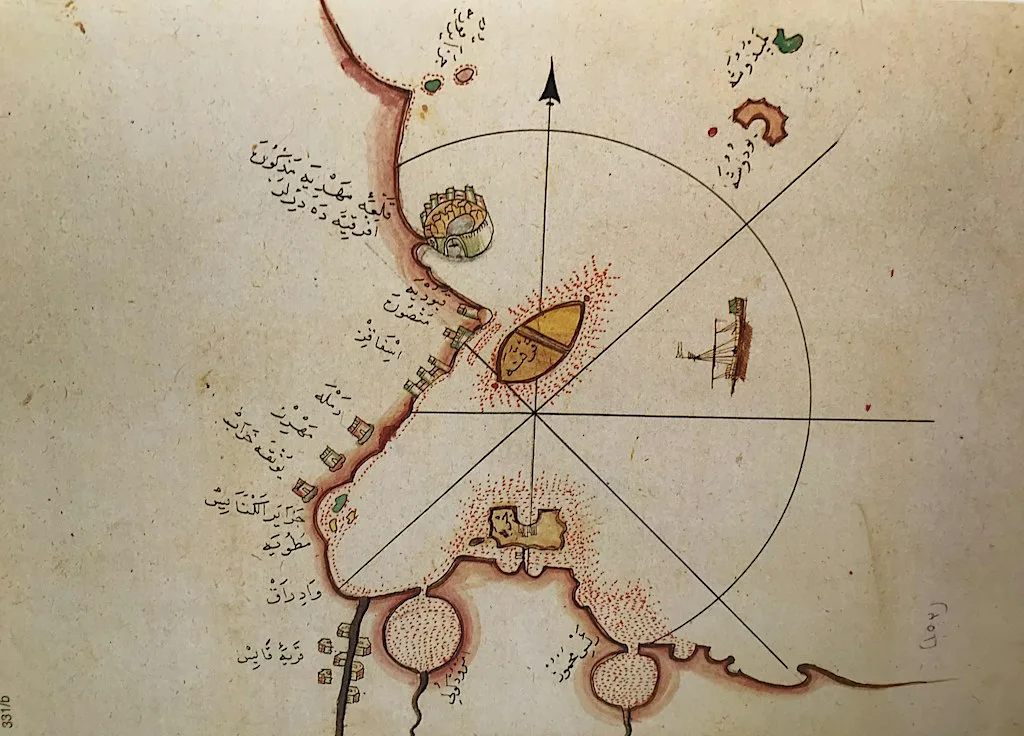
This lecture series proposes a history of deserted islands that liberates them from the romantic roles to which they have been confined by scholarship and popular culture, that is, as seductive sites of fantasy, wonder, and fear that excite literary imagination, philosophical reflection, and explorers’ appetite. Drawing on methodologies from island studies, environmental humanities, Mediterranean studies, and the oceanic and material turns, these talks show how these uninhabited fragments of land ubiquitous in so many seas were active presences in the past. They harbor the potential to tell big new histories of the tangible relationship between the marine environment and humans—as well as of the marine environment’s capacity to mediate material relations among humans that would have been impossible elsewhere. These lectures explore these and other questions through the deep past of the tiny central Mediterranean island of Lampedusa. Today an epicenter and potent symbol of Europe’s migrant crisis, this island occupied an equally exceptional, renowned, and outsized place in a maritime geography of need created by mobile people during an earlier era of saltwater human trafficking, that is, the so-called golden age of early modern Mediterranean piracy between 1550 and 1750. Lampedusa was then a famed, uninhabited, stateless island whose natural attributes converged with the geopolitics of piracy to make extraordinary encounters between Europeans and North Africans ordinary and even necessary there. In these waters beyond the state, the needs of captors and captives alike worked together with Lampedusa’s natural attributes in ways that benefitted both them and this deserted island to create an exceptional, shared, green oasis edged with violence. There, Muslims and Christians, free and unfree, shared a cave shrine that was the product of a singular form of maritime cooperation between European and North African pirates that transcended religious lines and political enmities to express silent solidarities between these men as well as their rough compassion for people fleeing enslavement. Excavating this partnership between nature and humans that was embedded in maritime violence and conditioned by need opens a new blue, deserted island-centric history from below of early modern Mediterranean piracy, escape, interfaith cooperation, shared religious sites, and the sea of danger that produced them all. This lecture series is thus a classic exercise in microhistory, tackling a subject small in scale, yet large in meaning.
Monday 2nd November
LECTURE 1 MAKING: THE CREATION OF A PIRATES’ ISLAND
By exploring how and why North African and European pirates established an intimate relationship with the deserted island of Lampedusa, this lecture reveals piracy as an agent of environmental change and questions the connotations of failure, collapse, and catastrophe so often attributed to landscapes abandoned by humans.
*This opening lecture will be followed by a drinks reception in the Atrium at 6pm.
Friday 6th November
LECTURE 2 SHARING: A PIRATES’ SHRINE FOR A PIRATES’ ISLAND
In exploring the exceptional forms of religious sharing between Muslim and Christian corsairs at Lampedusa’s famous cave shrine and how they were enabled by the island, this lecture shifts the perspective on shared shrines from land to sea and opens up rarely charted reaches of pirates’ religious attitudes and practices, where historians’ debates about whether corsair expeditions were motivated by fervor for holy war or desire for profit recede and questions about pirates’ collective religious response to the marine environment and its dangers come to the fore.
Monday 9th November
LECTURE 3 OFFERING: THE MATERIAL CULTURE OF MARITIME COOPERATION
This lecture demonstrates how the custom of offering maritime necessities at Lampedusa’s shrine embodied exceptional cooperation from below that cut across religious lines and political enmities to express strategic and situational solidarities among pirates. The capacity of these men to collaborate to meet their collective practical needs in these waters beyond the state shows how in arenas of violent conflict, material things can become tacit forms of mutually beneficial forms of cooperation.
Friday 13th November
LECTURE 4 ESCAPING: MARITIME FUGITIVE GEOGRAPHIES
This lecture focuses on how and why in this era when hundreds of thousands of people all around the Mediterranean lost their liberty to corsairs, Lampedusa—a
Description supplied by the event organiser.
Staying overnight?
Hotels within walking distance of Student Services Centre, University of Cambridge.
Ad · Stay22 affiliate link
Similar Events in Cambridge
View all →
Mon, 19 Oct 2026
Trading Beauty: From Europe to China, from Canton to the World
Pembroke College
Free Entry
Mon, 19 Oct 2026
Excavating Foundry Field Anglo-Saxon Cemetery, Burnham Market Norfolk
Histon Methodist Church
£4
Tue, 17 Nov 2026
The Path of Paper: New Evidence for the History of an Old Technology
Umney Theatre, Robinson College
Free Entry
Wed, 18 Nov 2026
Tax and Flax: Textile Manufacturing in Medieval Egypt
Umney Theatre, Robinson College
Free Entry

Sun, 11 Oct 2026
Sex and the City: Cambridge Women, Town and Gown (n)
The Round Church
£26.64
Fri, 16 Oct 2026
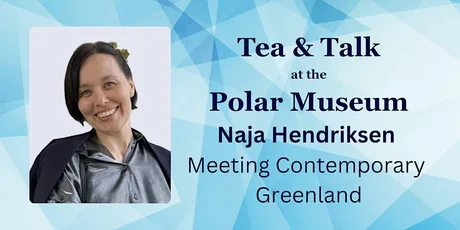
Tea & Talk with Naja Hendriksen: Meeting Contemporary Greenland
The Polar Museum
Free Entry
Frequently asked questions
Faculty of History Trevelyan Lectures 2026 takes place on Monday, 2 November 2026 at 17:00.
Faculty of History Trevelyan Lectures 2026 is held at Student Services Centre, University of Cambridge in Cambridge (Bene't Street, Cambridge, CB2 3PT).
Entry to Faculty of History Trevelyan Lectures 2026 is free.
Yes — hotels within walking distance of Student Services Centre, University of Cambridge can be compared using the accommodation search further down this page.
Tickets for Faculty of History Trevelyan Lectures 2026 can be booked via Eventbrite using the "Check Tickets & Live Prices" button on this page, which opens the official booking site in a new tab.
Editorial summaryAbout this event
The Faculty of History Trevelyan Lectures will run from 2 to 13 November 2026 at the University of Cambridge. Professor Amy G. Remensnyder will deliver four lectures titled 'Why Deserted Islands Matter in History: The Fearsome Commons'.
This summary was automatically generated from event data sourced from official ticketing providers.
“Why Deserted Islands Matter in History: The Fearsome Commons”
Professor Amy G. Remensnyder (Brown University)
The Faculty of History is delighted to welcome Professor Amy G. Remensnyder (Brown University) as the guest speaker for the 2026 Trevelyan Lectures, offering four lectures in a series titled Why Deserted Islands Matter in History: The Fearsome Commons.
Dates: Monday 2nd - Friday 13th November
Time: 5-6pm
Location: Lecture Theatre A (Arts School, New Museums Site), Bene't St, Cambridge
This lecture series proposes a history of deserted islands that liberates them from the romantic roles to which they have been confined by scholarship and popular culture, that is, as seductive sites of fantasy, wonder, and fear that excite literary imagination, philosophical reflection, and explorers’ appetite. Drawing on methodologies from island studies, environmental humanities, Mediterranean studies, and the oceanic and material turns, these talks show how these uninhabited fragments of land ubiquitous in so many seas were active presences in the past. They harbor the potential to tell big new histories of the tangible relationship between the marine environment and humans—as well as of the marine environment’s capacity to mediate material relations among humans that would have been impossible elsewhere. These lectures explore these and other questions through the deep past of the tiny central Mediterranean island of Lampedusa. Today an epicenter and potent symbol of Europe’s migrant crisis, this island occupied an equally exceptional, renowned, and outsized place in a maritime geography of need created by mobile people during an earlier era of saltwater human trafficking, that is, the so-called golden age of early modern Mediterranean piracy between 1550 and 1750. Lampedusa was then a famed, uninhabited, stateless island whose natural attributes converged with the geopolitics of piracy to make extraordinary encounters between Europeans and North Africans ordinary and even necessary there. In these waters beyond the state, the needs of captors and captives alike worked together with Lampedusa’s natural attributes in ways that benefitted both them and this deserted island to create an exceptional, shared, green oasis edged with violence. There, Muslims and Christians, free and unfree, shared a cave shrine that was the product of a singular form of maritime cooperation between European and North African pirates that transcended religious lines and political enmities to express silent solidarities between these men as well as their rough compassion for people fleeing enslavement. Excavating this partnership between nature and humans that was embedded in maritime violence and conditioned by need opens a new blue, deserted island-centric history from below of early modern Mediterranean piracy, escape, interfaith cooperation, shared religious sites, and the sea of danger that produced them all. This lecture series is thus a classic exercise in microhistory, tackling a subject small in scale, yet large in meaning.
Monday 2nd November
LECTURE 1 MAKING: THE CREATION OF A PIRATES’ ISLAND
By exploring how and why North African and European pirates established an intimate relationship with the deserted island of Lampedusa, this lecture reveals piracy as an agent of environmental change and questions the connotations of failure, collapse, and catastrophe so often attributed to landscapes abandoned by humans.
*This opening lecture will be followed by a drinks reception in the Atrium at 6pm.
Friday 6th November
LECTURE 2 SHARING: A PIRATES’ SHRINE FOR A PIRATES’ ISLAND
In exploring the exceptional forms of religious sharing between Muslim and Christian corsairs at Lampedusa’s famous cave shrine and how they were enabled by the island, this lecture shifts the perspective on shared shrines from land to sea and opens up rarely charted reaches of pirates’ religious attitudes and practices, where historians’ debates about whether corsair expeditions were motivated by fervor for holy war or desire for profit recede and questions about pirates’ collective religious response to the marine environment and its dangers come to the fore.
Monday 9th November
LECTURE 3 OFFERING: THE MATERIAL CULTURE OF MARITIME COOPERATION
This lecture demonstrates how the custom of offering maritime necessities at Lampedusa’s shrine embodied exceptional cooperation from below that cut across religious lines and political enmities to express strategic and situational solidarities among pirates. The capacity of these men to collaborate to meet their collective practical needs in these waters beyond the state shows how in arenas of violent conflict, material things can become tacit forms of mutually beneficial forms of cooperation.
Friday 13th November
LECTURE 4 ESCAPING: MARITIME FUGITIVE GEOGRAPHIES
This lecture focuses on how and why in this era when hundreds of thousands of people all around the Mediterranean lost their liberty to corsairs, Lampedusa—a
Description supplied by the event organiser.
StayStaying overnight?
Hotels within walking distance of Student Services Centre, University of Cambridge. Searching near Bene't Street, Cambridge, CB2 3PT; check-in Monday, 2 November 2026.
Ad · Stay22 affiliate link
WhereStudent Services Centre, University of Cambridge
Before you goFrequently asked questions
When is Faculty of History Trevelyan Lectures 2026?
Faculty of History Trevelyan Lectures 2026 takes place on Monday, 2 November 2026 at 17:00.
Where is Faculty of History Trevelyan Lectures 2026 taking place?
Faculty of History Trevelyan Lectures 2026 is held at Student Services Centre, University of Cambridge in Cambridge (Bene't Street, Cambridge, CB2 3PT).
How much are tickets for Faculty of History Trevelyan Lectures 2026?
Entry to Faculty of History Trevelyan Lectures 2026 is free.
Is there anywhere to stay near Faculty of History Trevelyan Lectures 2026?
Yes — hotels within walking distance of Student Services Centre, University of Cambridge can be compared using the accommodation search further down this page.
How do I get tickets for Faculty of History Trevelyan Lectures 2026?
Tickets for Faculty of History Trevelyan Lectures 2026 can be booked via Eventbrite using the "Check Tickets & Live Prices" button on this page, which opens the official booking site in a new tab.
Price
Free Entry
Date
Time
Venue
Bene't Street, Cambridge, CB2 3PT
Secure checkout on Eventbrite — opens in a new tab
Ask AI: is it for me?
EventsList lists 215,000+ events across the UK. Tickets are sold by the venue or its authorised sellers, never by us.
Not this one?Similar events in Cambridge
View all
More things to do in Cambridge
- CAHS MT26 - Will Palin (CEO Barts Heritage)Monday, 30 November 2026
- Voices That Shape ResearchFriday, 16 October 2026
- Key ingredients for nature recoveryFriday, 13 November 2026
- 2026 - Foro Cervantes at the University of Cambridge with David UclésThursday, 15 October 2026
- Natalie Haynes: Irresistible MonsterSunday, 28 February 2027
- 'We Flow On': Robert Macfarlane and Mark Wormald on Living WaterTuesday, 3 November 2026
- Living Water: A Conversation on Change, Connection and Aquatic LifeThursday, 22 October 2026
- Listening Session: Muslim and Jewish Recordings from the Ottoman EmpireMonday, 23 November 2026
- CAHS MT26 - Dr. Elizabeth J. Petcu (University of Edinburgh)Monday, 2 November 2026
- Seed Talks - Folklore, Female Aging & The HagSunday, 1 November 2026
- RSA Lecture: Investing in Creative TalentTuesday, 3 November 2026
- Book Talk with Alex de Waal and Willow Berridge: The SudansWednesday, 4 November 2026
- Management of Pain in Palliative CareThursday, 5 November 2026
- Rory Clements - Invitation from a Dictator, at Heffers BookshopThursday, 5 November 2026