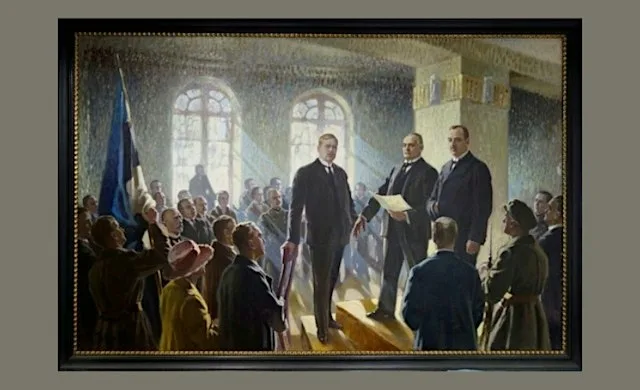
National cultural autonomy revisited: Why Baltic minority politics matters
Ask AI: is it for me?
Similar events
View allAbout This Event
A talk titled 'National cultural autonomy revisited: Why Baltic minority politics matters' will be held on 23 November 2026 at Wolfson College in Cambridge. The discussion will focus on the historical and contemporary significance of non-territorial cultural autonomy in the Baltic region. Attendance is free.
This event will discuss the historical and contemporary relevance of the concept of non-territorial cultural autonomy in the Baltics
After the end of the Cold War, national minorities were widely perceived as a major source of potential conflicts in Central and Eastern Europe, and not least regarding the newly independent three Baltic states. In this connection, cultural or non-territorial autonomy of national minorities has received impressive and ongoing prominence in theoretical and policy discussions around the management of ethno-cultural diversity. Debates of contemporary application are closely intertwined with historical perspectives, first on the territories of the Habsburg Empire and then in particular on the Baltic region in the interwar period. There, Baltic-German politicians played an important role in the implementation and the promotion of the concept.
Prof David Smith and Prof Joerg Hackmann will discuss the historical and contemporary relevance of the concept of non-territorial autonomy, but will also look at the ambiguous role of German minority representatives. A special focus will be on the Baltic German Werner Hasselblatt, who played an important role in shaping the Estonian law on cultural autonomy of 1925, but might also be called a “Vordenker der Vernichtung”, when looking at his activities during the Nazi period.
Description supplied by the event organiser.
Staying overnight?
Hotels within walking distance of Wolfson College.
Ad · Stay22 affiliate link
Similar Events in Cambridge
View all →
Mon, 2 Nov 2026
Faculty of History Trevelyan Lectures 2026
Student Services Centre, University of Cambridge
Free Entry
Tue, 17 Nov 2026
The Path of Paper: New Evidence for the History of an Old Technology
Umney Theatre, Robinson College
Free Entry
Wed, 18 Nov 2026
Tax and Flax: Textile Manufacturing in Medieval Egypt
Umney Theatre, Robinson College
Free Entry

Sun, 1 Nov 2026
Sex and the City: Cambridge Women, Town and Gown (n)
The Round Church
£26.64
Thu, 5 Nov 2026
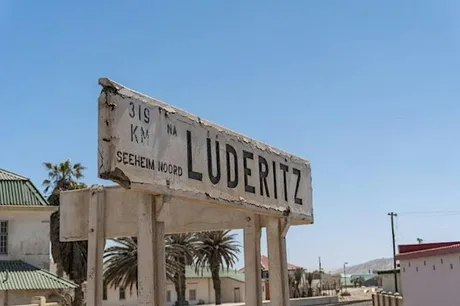
German colonialism in Africa and its legacies
Pembroke College, Cambridge
Free Entry
Tue, 17 Nov 2026
Recolonising the New Zealand History curriculum: A political critique
Faculty of Education, University of Cambridge
Free Entry
Frequently asked questions
National cultural autonomy revisited: Why Baltic minority politics matters takes place on Monday, 23 November 2026 at 17:30.
National cultural autonomy revisited: Why Baltic minority politics matters is held at Wolfson College in Cambridge (Barton Road, Cambridge, CB3 9BB).
Entry to National cultural autonomy revisited: Why Baltic minority politics matters is free.
Yes — hotels within walking distance of Wolfson College can be compared using the accommodation search further down this page.
Tickets for National cultural autonomy revisited: Why Baltic minority politics matters can be booked via Eventbrite using the "Check Tickets & Live Prices" button on this page, which opens the official booking site in a new tab.
Editorial summaryAbout this event
A talk titled 'National cultural autonomy revisited: Why Baltic minority politics matters' will be held on 23 November 2026 at Wolfson College in Cambridge. The discussion will focus on the historical and contemporary significance of non-territorial cultural autonomy in the Baltic region. Attendance is free.
This summary was automatically generated from event data sourced from official ticketing providers.
This event will discuss the historical and contemporary relevance of the concept of non-territorial cultural autonomy in the Baltics
After the end of the Cold War, national minorities were widely perceived as a major source of potential conflicts in Central and Eastern Europe, and not least regarding the newly independent three Baltic states. In this connection, cultural or non-territorial autonomy of national minorities has received impressive and ongoing prominence in theoretical and policy discussions around the management of ethno-cultural diversity. Debates of contemporary application are closely intertwined with historical perspectives, first on the territories of the Habsburg Empire and then in particular on the Baltic region in the interwar period. There, Baltic-German politicians played an important role in the implementation and the promotion of the concept.
Prof David Smith and Prof Joerg Hackmann will discuss the historical and contemporary relevance of the concept of non-territorial autonomy, but will also look at the ambiguous role of German minority representatives. A special focus will be on the Baltic German Werner Hasselblatt, who played an important role in shaping the Estonian law on cultural autonomy of 1925, but might also be called a “Vordenker der Vernichtung”, when looking at his activities during the Nazi period.
Description supplied by the event organiser.
StayStaying overnight?
Hotels within walking distance of Wolfson College. Searching near Barton Road, Cambridge, CB3 9BB; check-in Monday, 23 November 2026.
Ad · Stay22 affiliate link
WhereWolfson College
Barton Road, Cambridge, CB3 9BB
Before you goFrequently asked questions
When is National cultural autonomy revisited: Why Baltic minority politics matters?
National cultural autonomy revisited: Why Baltic minority politics matters takes place on Monday, 23 November 2026 at 17:30.
Where is National cultural autonomy revisited: Why Baltic minority politics matters taking place?
National cultural autonomy revisited: Why Baltic minority politics matters is held at Wolfson College in Cambridge (Barton Road, Cambridge, CB3 9BB).
How much are tickets for National cultural autonomy revisited: Why Baltic minority politics matters?
Entry to National cultural autonomy revisited: Why Baltic minority politics matters is free.
Is there anywhere to stay near National cultural autonomy revisited: Why Baltic minority politics matters?
Yes — hotels within walking distance of Wolfson College can be compared using the accommodation search further down this page.
How do I get tickets for National cultural autonomy revisited: Why Baltic minority politics matters?
Tickets for National cultural autonomy revisited: Why Baltic minority politics matters can be booked via Eventbrite using the "Check Tickets & Live Prices" button on this page, which opens the official booking site in a new tab.
Price
Free Entry
Secure checkout on Eventbrite — opens in a new tab
Ask AI: is it for me?
EventsList lists 222,000+ events across the UK. Tickets are sold by the venue or its authorised sellers, never by us.
Not this one?Similar events in Cambridge
View all
More things to do in Cambridge
- Natalie Haynes: Irresistible MonsterSunday, 28 February 2027
- CAHS MT26 - Will Palin (CEO Barts Heritage)Monday, 30 November 2026
- AI for Women's Health: A Policy EventMonday, 9 November 2026
- 'We Flow On': Robert Macfarlane and Mark Wormald on Living WaterTuesday, 3 November 2026
- “Rachmaninoff and the Myth of Exile”, a talk by Prof Marina Frolova-WalkerFriday, 6 November 2026
- Listening Session: Muslim and Jewish Recordings from the Ottoman EmpireMonday, 23 November 2026
- Art & Soul: Healing and Imagination in Islamic PsychologySaturday, 21 November 2026
- Writing Partners: The Authors Who Inspired Agatha ChristieWednesday, 18 November 2026
- The Revelation That Inspired Muhammad Ep 1 & 2Friday, 27 November 2026
- Anglo-Rossica: Seven Objects from My Collection — A Talk by Prof Anthony CrossTuesday, 24 November 2026
- Pensions on Divorce - Autumn 2026, Cambridge - Parts 1 & 2 - All dayMonday, 23 November 2026
- Pensions on Divorce - Autumn 2026, Cambridge - Part 1 - AM seminarMonday, 23 November 2026
- Panel on Islamic Architecture in Britain and EuropeTuesday, 24 November 2026
- Iqbal and the Poetics of AwakeningSunday, 22 November 2026