What did viruses ever do for us? The evolution of “good” viruses
Ask AI: is it for me?
Similar events
View allAbout This Event
On 9 November 2026 at 17:30, a session on the evolution of beneficial viruses takes place at the Bristol-Myers Squibb Lecture Theatre in Cambridge. Professor John Carr, President of the Cambridge Philosophical Society, leads the event. Admission is free.
Professor John Carr - President of the Cambridge Philosophical Society
Professor John Carr - President of the Cambridge Philosophical Society
Professor of Plant Virology - Department of Plant Sciences
Viruses generally get a very bad press. Deservedly so. Viruses cause serious epidemics and pandemics in humans and threaten food security by causing crop and livestock diseases. However, of the more than 1030 virus particles that exist at any instant, few endanger us, plants, or animals. Most infect bacteria and archaea and without these viruses Earth’s biosphere would collapse.
Viruses are the largest group of emerging plant pathogens. But paradoxically, many confer benefits on plants that may increase survival and reproductive success. These apparently mutualistic effects may be conditional, for example, by aiding host survival under conditions of drought or cold or, more surprisingly, by helping plants attract pollinators.
Certain viruses, notably ‘partitiviruses’ and ‘endornaviruses’ may have travelled so far on an evolutionary path as to become obligate plant symbionts. These viruses are transmitted exclusively via seed and pollen and are not infectious in a conventional sense (i.e., not transmitted by invertebrates, wounding etc.), and induce no obvious disease. It has been suggested that these ‘persistent’ viruses are mutualists and might be useful in crop breeding. Recent experiments exploring these ideas will be discussed.
Description supplied by the event organiser.
Staying overnight?
Hotels within walking distance of Bristol-Myers Squibb Lecture Theatre, Yusef Hamied Department of Chemistry, (entrance to lecture theatre, adjacent to the Scott Polar Research Institute).
Ad · Stay22 affiliate link
Similar Events in Cambridge
View all →
Tue, 13 Oct 2026
In Conversation with Professor Sir Patrick Vernon & Dr Carol Brown-Leonardi
Winstanley Lecture Theatre - Trinity College
Free Entry
Thu, 15 Oct 2026
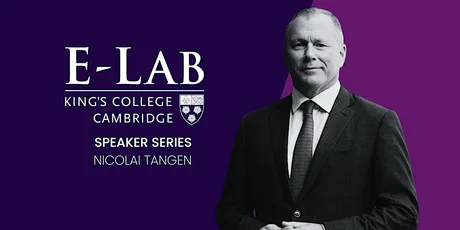
Stewardship and Strategy with Nicolai Tangen
King's College, Cambridge (Keynes Lecture Theatre)
Free Entry

Tue, 20 Oct 2026
Birkbeck Lectures 2026
Winstanley Lecture Theatre

Wed, 21 Oct 2026
Swire Management Programme 2027:Shaping Future Business Leaders (Cambridge)
McCrum Lecture Theatre
Free Entry
Mon, 2 Nov 2026
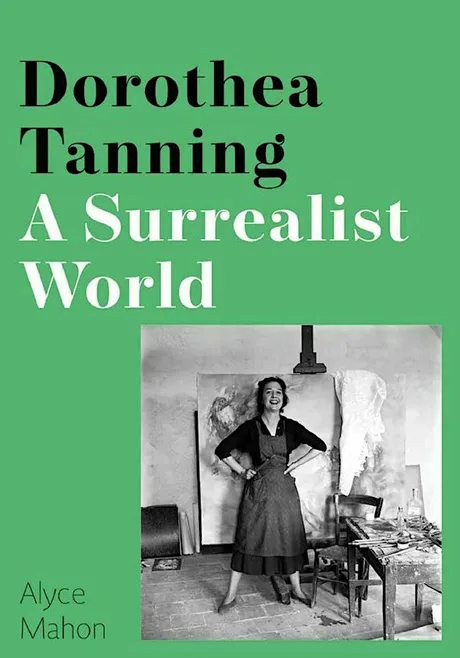
Dorothea Tanning: A Surrealist World with Alyce Mahon
Buckingham House Lecture Theatre
Free – £10
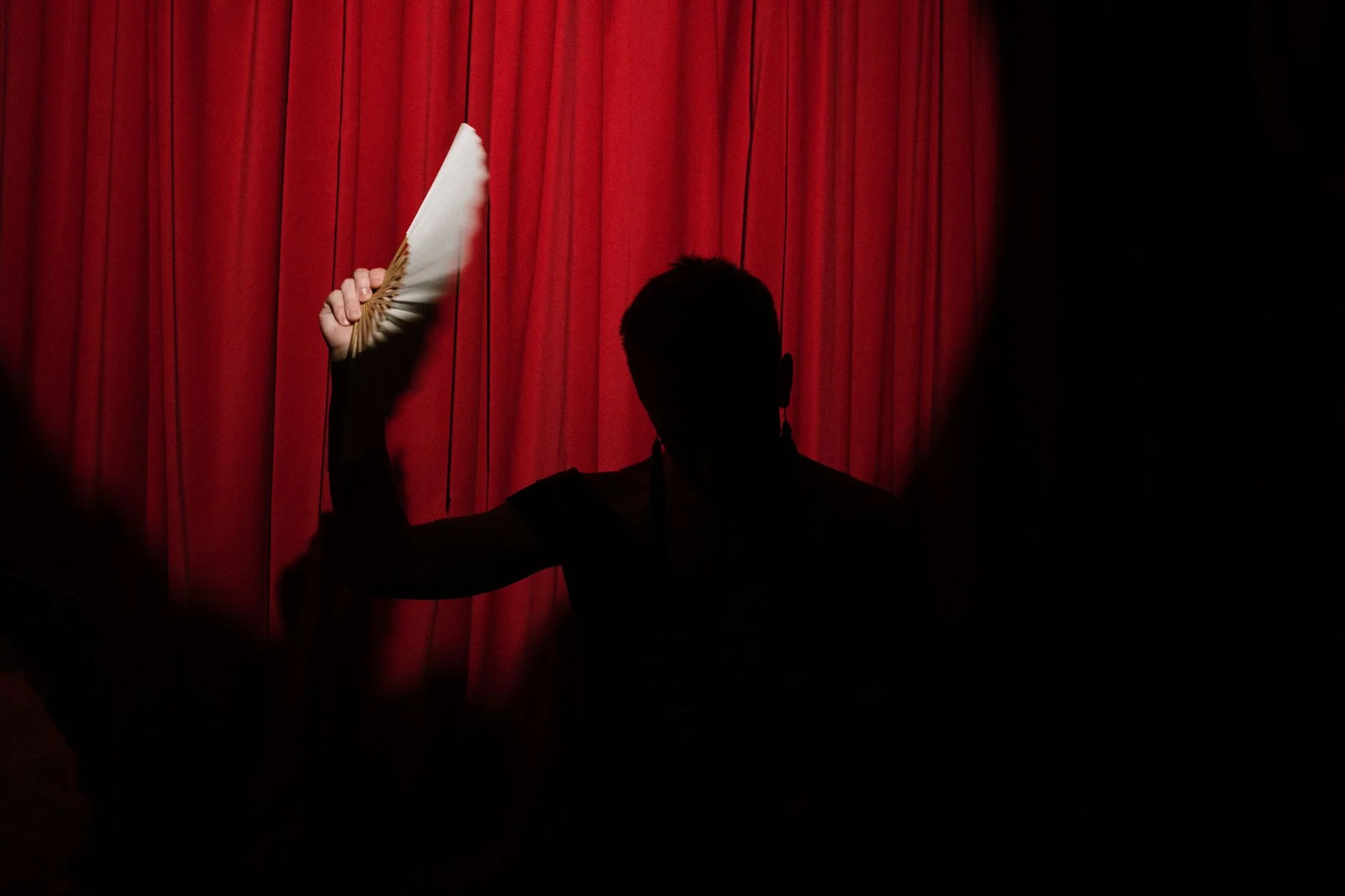
Sun, 15 Nov 2026
Olivia Trummer @ Divinity School Lecture Theatre
Divinity School Lecture Theatre
More at Bristol-Myers Squibb Lecture Theatre, Yusef Hamied Department of Chemistry, (entrance to lecture theatre, adjacent to the Scott Polar Research Institute)
View all →
Mon, 12 Oct 2026
Under control? The hidden technology of automatic control past and future
Bristol-Myers Squibb Lecture Theatre, Yusef Hamied Department of Chemistry, (entrance to lecture theatre, adjacent to the Scott Polar Research Institute)
Free Entry
Mon, 26 Oct 2026
The Organization of Goal-Directed Behaviour in the Brain
Bristol-Myers Squibb Lecture Theatre, Yusef Hamied Department of Chemistry, (entrance to lecture theatre, adjacent to the Scott Polar Research Institute)
Free Entry
Mon, 23 Nov 2026
Causal Understanding in a Dappled World
Bristol-Myers Squibb Lecture Theatre, Yusef Hamied Department of Chemistry, (entrance to lecture theatre, adjacent to the Scott Polar Research Institute)
Free Entry
Frequently asked questions
What did viruses ever do for us? The evolution of “good” viruses takes place on Monday, 9 November 2026 at 17:30.
What did viruses ever do for us? The evolution of “good” viruses is held at Bristol-Myers Squibb Lecture Theatre, Yusef Hamied Department of Chemistry, (entrance to lecture theatre, adjacent to the Scott Polar Research Institute) in Cambridge (29 Lensfield Road, Cambridge, CB2 1ER).
Entry to What did viruses ever do for us? The evolution of “good” viruses is free.
Yes — hotels within walking distance of Bristol-Myers Squibb Lecture Theatre, Yusef Hamied Department of Chemistry, (entrance to lecture theatre, adjacent to the Scott Polar Research Institute) can be compared using the accommodation search further down this page.
Tickets for What did viruses ever do for us? The evolution of “good” viruses can be booked via Eventbrite using the "Check Tickets & Live Prices" button on this page, which opens the official booking site in a new tab.
Editorial summaryAbout this event
On 9 November 2026 at 17:30, a session on the evolution of beneficial viruses takes place at the Bristol-Myers Squibb Lecture Theatre in Cambridge. Professor John Carr, President of the Cambridge Philosophical Society, leads the event. Admission is free.
This summary was automatically generated from event data sourced from official ticketing providers.
Professor John Carr - President of the Cambridge Philosophical Society
Professor John Carr - President of the Cambridge Philosophical Society
Professor of Plant Virology - Department of Plant Sciences
Viruses generally get a very bad press. Deservedly so. Viruses cause serious epidemics and pandemics in humans and threaten food security by causing crop and livestock diseases. However, of the more than 1030 virus particles that exist at any instant, few endanger us, plants, or animals. Most infect bacteria and archaea and without these viruses Earth’s biosphere would collapse.
Viruses are the largest group of emerging plant pathogens. But paradoxically, many confer benefits on plants that may increase survival and reproductive success. These apparently mutualistic effects may be conditional, for example, by aiding host survival under conditions of drought or cold or, more surprisingly, by helping plants attract pollinators.
Certain viruses, notably ‘partitiviruses’ and ‘endornaviruses’ may have travelled so far on an evolutionary path as to become obligate plant symbionts. These viruses are transmitted exclusively via seed and pollen and are not infectious in a conventional sense (i.e., not transmitted by invertebrates, wounding etc.), and induce no obvious disease. It has been suggested that these ‘persistent’ viruses are mutualists and might be useful in crop breeding. Recent experiments exploring these ideas will be discussed.
Description supplied by the event organiser.
StayStaying overnight?
Hotels within walking distance of Bristol-Myers Squibb Lecture Theatre, Yusef Hamied Department of Chemistry, (entrance to lecture theatre, adjacent to the Scott Polar Research Institute). Searching near 29 Lensfield Road, Cambridge, CB2 1ER; check-in Monday, 9 November 2026.
Ad · Stay22 affiliate link
WhereBristol-Myers Squibb Lecture Theatre, Yusef Hamied Department of Chemistry, (entrance to lecture theatre, adjacent to the Scott Polar Research Institute)
Before you goFrequently asked questions
When is What did viruses ever do for us? The evolution of “good” viruses?
What did viruses ever do for us? The evolution of “good” viruses takes place on Monday, 9 November 2026 at 17:30.
Where is What did viruses ever do for us? The evolution of “good” viruses taking place?
What did viruses ever do for us? The evolution of “good” viruses is held at Bristol-Myers Squibb Lecture Theatre, Yusef Hamied Department of Chemistry, (entrance to lecture theatre, adjacent to the Scott Polar Research Institute) in Cambridge (29 Lensfield Road, Cambridge, CB2 1ER).
How much are tickets for What did viruses ever do for us? The evolution of “good” viruses?
Entry to What did viruses ever do for us? The evolution of “good” viruses is free.
Is there anywhere to stay near What did viruses ever do for us? The evolution of “good” viruses?
Yes — hotels within walking distance of Bristol-Myers Squibb Lecture Theatre, Yusef Hamied Department of Chemistry, (entrance to lecture theatre, adjacent to the Scott Polar Research Institute) can be compared using the accommodation search further down this page.
How do I get tickets for What did viruses ever do for us? The evolution of “good” viruses?
Tickets for What did viruses ever do for us? The evolution of “good” viruses can be booked via Eventbrite using the "Check Tickets & Live Prices" button on this page, which opens the official booking site in a new tab.
Price
Free Entry
Date
Time
Venue
Secure checkout on Eventbrite — opens in a new tab
Ask AI: is it for me?
EventsList lists 215,000+ events across the UK. Tickets are sold by the venue or its authorised sellers, never by us.
Same venueMore at Bristol-Myers Squibb Lecture Theatre, Yusef Hamied Department of Chemistry, (entrance to lecture theatre, adjacent to the Scott Polar Research Institute)
All at this venueNot this one?Similar events in Cambridge
View all


More things to do in Cambridge
- Operation MincemeatMonday, 19 October 2026
- GREIPUR HJALTASON - THE ICEBREAKER TOUR - CAMBRIDGEWednesday, 21 October 2026
- CAMBRIDGE: Flamenco from Spain | Rebeca Ortega-Ramon Ruiz.Sunday, 11 October 2026
- A Christmas CarolSunday, 20 December 2026
- Dance In The DarkSunday, 11 October 2026
- TransmissionFriday, 16 October 2026
- Cambridge Murder Mystery: Death in the ShadowsSunday, 1 November 2026
- SPACE | Cambridge, MashSaturday, 10 October 2026
- LOVEDALESaturday, 3 April 2027
- OliverTuesday, 10 November 2026
- Candlelight: Tribute to OasisSaturday, 7 November 2026
- OMEGA NEBULA Live @ The Portland Arms, Cambridge 13/11/26Friday, 13 November 2026
- Jekyll and HydeTuesday, 3 November 2026
- An Evening of 'Ghost Stories' at Island HallSunday, 1 November 2026