
Pustules, Palaeogenetics and Pandemics Seminar
Ask AI: is it for me?
Similar events
View allAbout This Event
The Pustules, Palaeogenetics and Pandemics Seminar is scheduled for 25 November 2026 at the Wellcome Centre for Cultures and Environments of Health in Exeter. This free seminar is organised by the Pustules project in collaboration with the Centre for Medical History and the University of Exeter.
Organised by the Pustules project in collaboration with the Centre for Medical History and the CCEH, University of Exeter
The Pustules, Palaeogenetics and Pandemics Project (https://ccehexeter.org/pustules-palaeogenetics-and-pandemics-2/)and the Centre for Medical History (https://www.exeter.ac.uk/research/centres/medicalhistory/) are thrilled to welcome to the University of Exeter, Dr Thomas Banbury (https://www.hps.cam.ac.uk/people/banbury) University of Cambridge, to give the seminar:
‘"As they say Hippocrates did among the Athenians": Uses of historical plague narratives in early modern medicine'
Wednesday 25th November 2026 at 14.30 GMT.
TITLE:
‘"As they say Hippocrates did among the Athenians": Uses of historical plague narratives in early modern medicine'
ABSTRACT:
The Black Death first arrived in Europe around 1347, beginning more than three hundred years of recurrent plague outbreaks that epidemiologists now call the Second Plague Pandemic. Medieval medical writers responded with a new genre of texts, the ‘plague tract’, which offered a mix of moral commentary, medical theory, preventative advice, and anti-plague therapies. The earliest generations of plague historians, such as Sudhoff and Klebs, compiled and edited hundred of these tracts with an emphasis on their intellectual contexts. Meanwhile, more recent scholarship (Lori Jones, Samuel Cohn, for example) has turned to the social, cultural, and material dimensions of the genre, including close attention to strategies for cultivating textual authority.
One way of instilling confidence and bolstering claims of medical authority was to draw on older narratives of epidemic diseases, such as the Plague of Athens in 430 BC and the second-century AD Antonine Plague. This seminar will explore how late medieval and early modern medical writers deployed accounts of these outbreaks, and the cures that supposedly ended them, to recommend anti-plague treatments and practices to their readers. I will focus on the practice known as the ‘rectification of the air’, so far understudied in the history of medicine, that attempted to alter the quality of the atmosphere in targeted ways, often through medicinal fumigation. Authors of plague texts including Thomas Moulton (c.1475), Thomas Phayer (c.1545), and Gilbert Skeyne (1568) described a range of ‘rectification’ techniques, drawing on a shared canon of historical examples to demonstrate the efficacy of the practice.
I trace how accounts of successful ‘rectifications’ by Hippocrates, Galen, Acron of Acragas, and the Egyptian priesthood, mostly drawn from Byzantine medical compilations, were retooled by these later authors. This allows us to analyse both the development of historicity as a strategy of medical authority and the transformation of ‘rectification’ practices in early modern plague medicine.
BIO:
Thomas Banbury is a historian of science and medicine. His work focuses on changing approaches to the atmosphere in medicine in medieval and early modern England. He holds a PhD from Cambridge's Department of History and Philosophy of Science, and has been a visiting fellow at the University of Oklahoma and the Royal College of Surgeons.
The event will be recorded and published on the Centre for Cultures and Environments of Health YouTube channel (https://www.youtube.com/channel/UC081fwCDU6Me_5zpU5xY7nA/videos?app=desktop&view=0&sort=dd&shelf_id=0), so by attending you acknowledge you may be recorded.
Photo by François Fayet (https://unsplash.com/@francoisfayet?utm_source=unsplash&utm_medium=referral&utm_content=creditCopyText) on Unsplash (https://unsplash.com/photos/the-sun-is-setting-over-a-mountain-range-MEjLmCUYggQ?utm_source=unsplash&utm_medium=referral&utm_content=creditCopyText)
If you have any questions, please contact: a.waterson@exeter.ac.uk
This event was funded in part by the Wellcome Trust [322103/Z/24/Z].
Description supplied by the event organiser.
Staying overnight?
Hotels within walking distance of Wellcome Centre for Cultures and Environments of Health.
Ad · Stay22 affiliate link
Similar Events in Exeter
View all →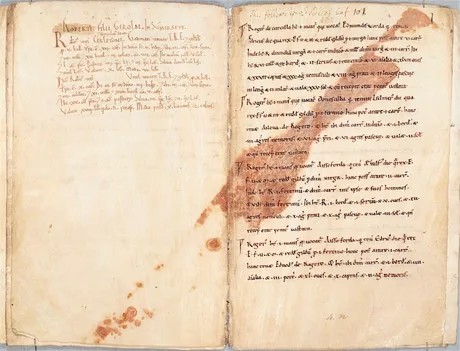
Thu, 29 Oct 2026
Making Domesday in the West Country (VCH Lecture)
Museum of Somerset
From £5

Sat, 31 Oct 2026
Seal talk at Greenway's Boathouse
Greenway
Tue, 3 Nov 2026
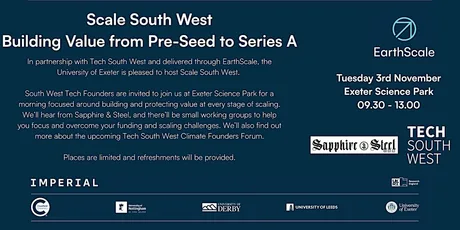
Scale South West: Building Value from Pre-Seed to Series A
The Exeter Science Park Centre
Free Entry

Tue, 3 Nov 2026
Rent Smart Devon
Exeter Racecourse
Free Entry
Wed, 11 Nov 2026
Re-thinking the Relationship Between Organism and Environment
LSI Seminar Room A
Free Entry

Thu, 12 Nov 2026
Paint, compliance & building performance - coatings as an asset CPD Seminar
Sandy Park
Free Entry
Frequently asked questions
Pustules, Palaeogenetics and Pandemics Seminar takes place on Wednesday, 25 November 2026 at 14:30.
Pustules, Palaeogenetics and Pandemics Seminar is held at Wellcome Centre for Cultures and Environments of Health in Exeter (The Queen's Drive, Exeter, EX4 4QH).
Entry to Pustules, Palaeogenetics and Pandemics Seminar is free.
Yes — hotels within walking distance of Wellcome Centre for Cultures and Environments of Health can be compared using the accommodation search further down this page.
Tickets for Pustules, Palaeogenetics and Pandemics Seminar can be booked via Eventbrite using the "Check Tickets & Live Prices" button on this page, which opens the official booking site in a new tab.

Editorial summaryAbout this event
The Pustules, Palaeogenetics and Pandemics Seminar is scheduled for 25 November 2026 at the Wellcome Centre for Cultures and Environments of Health in Exeter. This free seminar is organised by the Pustules project in collaboration with the Centre for Medical History and the University of Exeter.
This summary was automatically generated from event data sourced from official ticketing providers.
Organised by the Pustules project in collaboration with the Centre for Medical History and the CCEH, University of Exeter
The Pustules, Palaeogenetics and Pandemics Project (https://ccehexeter.org/pustules-palaeogenetics-and-pandemics-2/)and the Centre for Medical History (https://www.exeter.ac.uk/research/centres/medicalhistory/) are thrilled to welcome to the University of Exeter, Dr Thomas Banbury (https://www.hps.cam.ac.uk/people/banbury) University of Cambridge, to give the seminar:
‘"As they say Hippocrates did among the Athenians": Uses of historical plague narratives in early modern medicine'
Wednesday 25th November 2026 at 14.30 GMT.
TITLE:
‘"As they say Hippocrates did among the Athenians": Uses of historical plague narratives in early modern medicine'
ABSTRACT:
The Black Death first arrived in Europe around 1347, beginning more than three hundred years of recurrent plague outbreaks that epidemiologists now call the Second Plague Pandemic. Medieval medical writers responded with a new genre of texts, the ‘plague tract’, which offered a mix of moral commentary, medical theory, preventative advice, and anti-plague therapies. The earliest generations of plague historians, such as Sudhoff and Klebs, compiled and edited hundred of these tracts with an emphasis on their intellectual contexts. Meanwhile, more recent scholarship (Lori Jones, Samuel Cohn, for example) has turned to the social, cultural, and material dimensions of the genre, including close attention to strategies for cultivating textual authority.
One way of instilling confidence and bolstering claims of medical authority was to draw on older narratives of epidemic diseases, such as the Plague of Athens in 430 BC and the second-century AD Antonine Plague. This seminar will explore how late medieval and early modern medical writers deployed accounts of these outbreaks, and the cures that supposedly ended them, to recommend anti-plague treatments and practices to their readers. I will focus on the practice known as the ‘rectification of the air’, so far understudied in the history of medicine, that attempted to alter the quality of the atmosphere in targeted ways, often through medicinal fumigation. Authors of plague texts including Thomas Moulton (c.1475), Thomas Phayer (c.1545), and Gilbert Skeyne (1568) described a range of ‘rectification’ techniques, drawing on a shared canon of historical examples to demonstrate the efficacy of the practice.
I trace how accounts of successful ‘rectifications’ by Hippocrates, Galen, Acron of Acragas, and the Egyptian priesthood, mostly drawn from Byzantine medical compilations, were retooled by these later authors. This allows us to analyse both the development of historicity as a strategy of medical authority and the transformation of ‘rectification’ practices in early modern plague medicine.
BIO:
Thomas Banbury is a historian of science and medicine. His work focuses on changing approaches to the atmosphere in medicine in medieval and early modern England. He holds a PhD from Cambridge's Department of History and Philosophy of Science, and has been a visiting fellow at the University of Oklahoma and the Royal College of Surgeons.
The event will be recorded and published on the Centre for Cultures and Environments of Health YouTube channel (https://www.youtube.com/channel/UC081fwCDU6Me_5zpU5xY7nA/videos?app=desktop&view=0&sort=dd&shelf_id=0), so by attending you acknowledge you may be recorded.
Photo by François Fayet (https://unsplash.com/@francoisfayet?utm_source=unsplash&utm_medium=referral&utm_content=creditCopyText) on Unsplash (https://unsplash.com/photos/the-sun-is-setting-over-a-mountain-range-MEjLmCUYggQ?utm_source=unsplash&utm_medium=referral&utm_content=creditCopyText)
If you have any questions, please contact: a.waterson@exeter.ac.uk
This event was funded in part by the Wellcome Trust [322103/Z/24/Z].
Description supplied by the event organiser.
StayStaying overnight?
Hotels within walking distance of Wellcome Centre for Cultures and Environments of Health. Searching near The Queen's Drive, Exeter, EX4 4QH; check-in Wednesday, 25 November 2026.
Ad · Stay22 affiliate link
WhereWellcome Centre for Cultures and Environments of Health
The Queen's Drive, Exeter, EX4 4QH
Before you goFrequently asked questions
When is Pustules, Palaeogenetics and Pandemics Seminar?
Pustules, Palaeogenetics and Pandemics Seminar takes place on Wednesday, 25 November 2026 at 14:30.
Where is Pustules, Palaeogenetics and Pandemics Seminar taking place?
Pustules, Palaeogenetics and Pandemics Seminar is held at Wellcome Centre for Cultures and Environments of Health in Exeter (The Queen's Drive, Exeter, EX4 4QH).
How much are tickets for Pustules, Palaeogenetics and Pandemics Seminar?
Entry to Pustules, Palaeogenetics and Pandemics Seminar is free.
Is there anywhere to stay near Pustules, Palaeogenetics and Pandemics Seminar?
Yes — hotels within walking distance of Wellcome Centre for Cultures and Environments of Health can be compared using the accommodation search further down this page.
How do I get tickets for Pustules, Palaeogenetics and Pandemics Seminar?
Tickets for Pustules, Palaeogenetics and Pandemics Seminar can be booked via Eventbrite using the "Check Tickets & Live Prices" button on this page, which opens the official booking site in a new tab.
Price
Free Entry
Date
Time
Venue
The Queen's Drive, Exeter, EX4 4QH
Secure checkout on Eventbrite — opens in a new tab
Ask AI: is it for me?
EventsList lists 227,000+ events across the UK. Tickets are sold by the venue or its authorised sellers, never by us.
Not this one?Similar events in Exeter
View all


More things to do in Exeter
- Tree Folk: A Book Talk with Lisa SchneidauTuesday, 10 November 2026
- Dracula 🧛Saturday, 24 October 2026
- Haunted ObjectsFriday, 30 October 2026
- Midnight Launch: Celebrate ACOTAR 7 with Waterstones ExeterMonday, 11 January 2027
- FREE Guided Introductory TalkThursday, 26 November 2026
- The value of genetic testing, 1960 to the presentMonday, 30 November 2026
- Dan Schreiber – This Changes EverythingMonday, 30 November 2026
- Campfire - Exeter's Free Literary SalonWednesday, 18 November 2026
- Dr Travis Coan Inaugural LectureWednesday, 18 November 2026
- WEST BANK UNDER ATTACKTuesday, 17 November 2026
- My Wild City: A Book Talk with Neha Sinha & Sophie PavelleTuesday, 17 November 2026
- Exeter Seminar: From Longevity to Precision Healthy AgeingTuesday, 17 November 2026
- Juxtaposing versus Linking Research Materials: Thinking through the ethicalMonday, 16 November 2026
- Planting New Things: Deep Roots and new ShootsSaturday, 5 December 2026