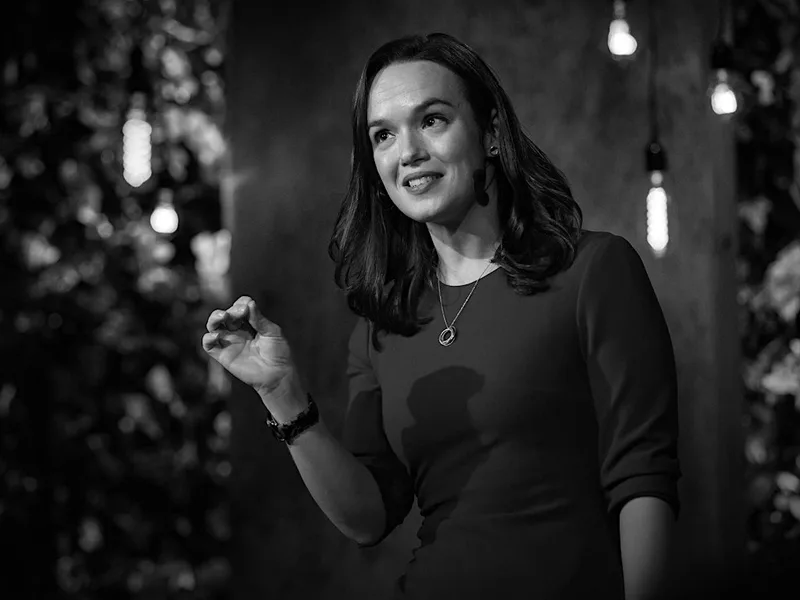
Teresa Bejan - How did Equality become an Egalitarian Ideal?
4°C · 20% rain
Ask AI: is it for me?
Similar events
View allAbout This Event
Teresa Bejan will present a talk titled 'How did Equality become an Egalitarian Ideal?' on 24 November 2026 at the Noel Salter Room in Oxford. The lecture will explore the complexities and historical context of the concept of equality.
The Pharos Autumn Lectures for 2026
Today, political theorists and philosophers treat as axiomatic the claim that all persons are equal. Dig deeper, however, and what we mean by equality—and what it demands from us, politically and otherwise—is far from obvious. Does it mean that we are all the same, and so the same standards should apply indifferently to everyone? Or does it mean that we are all different in ways similarly deserving of respect? These questions, and many more, reflect the profound ambiguities and contradictions that have riddled the history of the idea of equality.
This lecture series explores a radical turning point in that history. Lecture One will establish that, since antiquity, influential legal and philosophical traditions have held that all humans are fundamentally equal. Yet these claims proved surprisingly at home in a world defined by social hierarchy, political exclusion, and enslavement. It was only in seventeenth-century England, that the meaning—and practical circumstances—of equality began to change. Lecture Two traces this transformation in detail, revealing how equality finally became a concrete and actionable political ideal thanks to the unexpected legal arguments—and activism—of an unlikely egalitarian, the Puritan martyr and leading Leveller John Lilburne. Lecture Three examines the immediate reception of Lilburne’s argument among other self-styled “Levellers,” including the Diggers and Quakers, as well as canonical political philosophers like Hobbes and Locke, as they envisioned their own (more and less hierarchical) versions of a society of equals.
Teresa M. Bejan is Professor of Political Theory and a Fellow of Oriel College at the University of Oxford. She is the author of Mere Civility: Disagreement and the Limits of Toleration (Harvard University Press) and First Among Equals: Visions of Equality before Egalitarianism (Belknap Press), as well as over two dozen academic articles and book chapters bringing historical perspectives to bear on questions in contemporary political theory. She is also the co-editor most recently of The Political Thought of John Locke: New Perspectives (Oxford University Press).
Description supplied by the event organiser.
Staying overnight?
Hotels within walking distance of Noel Salter Room.
Ad · Stay22 affiliate link
Similar Events in Oxford
View all →
Tue, 17 Nov 2026
Taylor Le Melle: Four Ways of Looking at This
128 Bullingdon Rd
Free Entry
Wed, 2 Dec 2026
Seminar 2 on Reason in Christian Muslim Relations
Blackfriars Hall
Wed, 27 Jan 2027
Unbelonging - Witches in art, poetry and the imagination
The North Wall Arts Centre Oxford
Free Entry

Tue, 17 Nov 2026
The Science of The Multiverse: Do parallel universes exist?
Said Business School
From £13.50
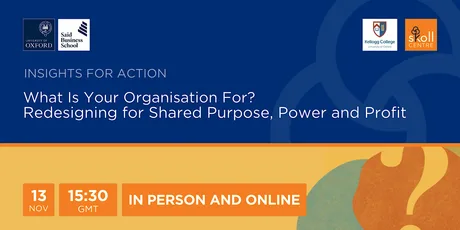
Fri, 13 Nov 2026
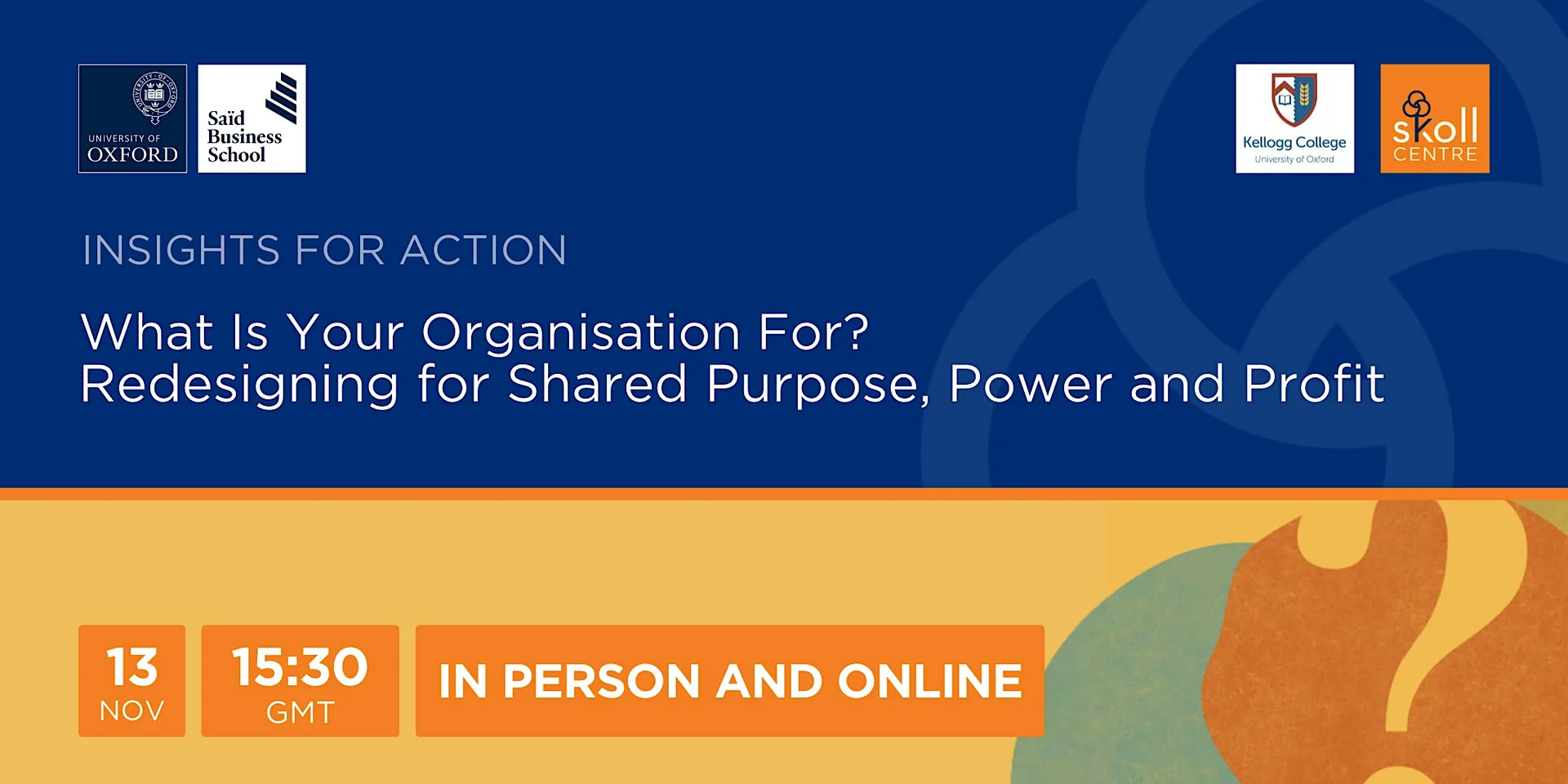
What Is Your Organisation For? Redesigning for Purpose, Power and Profit
Lecture Theatre VI, Thatcher Business Education Centre, Saïd Business School
Free Entry

Fri, 13 Nov 2026
In Conversation: Elżbieta Moczarska & Sean Gasper Bye with Zoe Waxman
Ship Street Centre
Free Entry
Frequently asked questions
Teresa Bejan - How did Equality become an Egalitarian Ideal? takes place on Tuesday, 24 November 2026 at 17:00.
Teresa Bejan - How did Equality become an Egalitarian Ideal? is held at Noel Salter Room in Oxford (New College, Oxford, OX13BN).
Entry to Teresa Bejan - How did Equality become an Egalitarian Ideal? is free.
The forecast for Teresa Bejan - How did Equality become an Egalitarian Ideal? is Clear · 4°C.
Yes — hotels within walking distance of Noel Salter Room can be compared using the accommodation search further down this page.
Tickets for Teresa Bejan - How did Equality become an Egalitarian Ideal? can be booked via Eventbrite using the "Check Tickets & Live Prices" button on this page, which opens the official booking site in a new tab.
Editorial summaryAbout this event
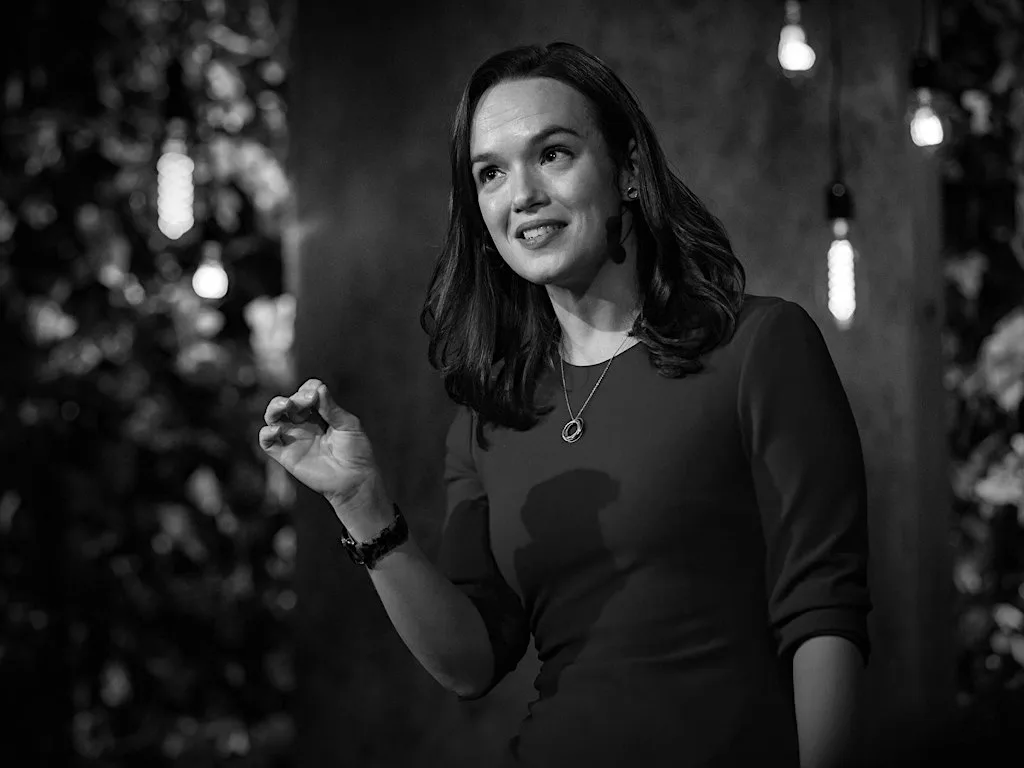
Teresa Bejan will present a talk titled 'How did Equality become an Egalitarian Ideal?' on 24 November 2026 at the Noel Salter Room in Oxford. The lecture will explore the complexities and historical context of the concept of equality.
This summary was automatically generated from event data sourced from official ticketing providers.
The Pharos Autumn Lectures for 2026
Today, political theorists and philosophers treat as axiomatic the claim that all persons are equal. Dig deeper, however, and what we mean by equality—and what it demands from us, politically and otherwise—is far from obvious. Does it mean that we are all the same, and so the same standards should apply indifferently to everyone? Or does it mean that we are all different in ways similarly deserving of respect? These questions, and many more, reflect the profound ambiguities and contradictions that have riddled the history of the idea of equality.
This lecture series explores a radical turning point in that history. Lecture One will establish that, since antiquity, influential legal and philosophical traditions have held that all humans are fundamentally equal. Yet these claims proved surprisingly at home in a world defined by social hierarchy, political exclusion, and enslavement. It was only in seventeenth-century England, that the meaning—and practical circumstances—of equality began to change. Lecture Two traces this transformation in detail, revealing how equality finally became a concrete and actionable political ideal thanks to the unexpected legal arguments—and activism—of an unlikely egalitarian, the Puritan martyr and leading Leveller John Lilburne. Lecture Three examines the immediate reception of Lilburne’s argument among other self-styled “Levellers,” including the Diggers and Quakers, as well as canonical political philosophers like Hobbes and Locke, as they envisioned their own (more and less hierarchical) versions of a society of equals.
Teresa M. Bejan is Professor of Political Theory and a Fellow of Oriel College at the University of Oxford. She is the author of Mere Civility: Disagreement and the Limits of Toleration (Harvard University Press) and First Among Equals: Visions of Equality before Egalitarianism (Belknap Press), as well as over two dozen academic articles and book chapters bringing historical perspectives to bear on questions in contemporary political theory. She is also the co-editor most recently of The Political Thought of John Locke: New Perspectives (Oxford University Press).
Description supplied by the event organiser.
StayStaying overnight?
Hotels within walking distance of Noel Salter Room. Searching near New College, Oxford, OX13BN; check-in Tuesday, 24 November 2026.
Ad · Stay22 affiliate link
WhereNoel Salter Room
Before you goFrequently asked questions
When is Teresa Bejan - How did Equality become an Egalitarian Ideal??
Teresa Bejan - How did Equality become an Egalitarian Ideal? takes place on Tuesday, 24 November 2026 at 17:00.
Where is Teresa Bejan - How did Equality become an Egalitarian Ideal? taking place?
Teresa Bejan - How did Equality become an Egalitarian Ideal? is held at Noel Salter Room in Oxford (New College, Oxford, OX13BN).
How much are tickets for Teresa Bejan - How did Equality become an Egalitarian Ideal??
Entry to Teresa Bejan - How did Equality become an Egalitarian Ideal? is free.
What will the weather be like at Teresa Bejan - How did Equality become an Egalitarian Ideal??
The forecast for Teresa Bejan - How did Equality become an Egalitarian Ideal? is Clear · 4°C.
Is there anywhere to stay near Teresa Bejan - How did Equality become an Egalitarian Ideal??
Yes — hotels within walking distance of Noel Salter Room can be compared using the accommodation search further down this page.
How do I get tickets for Teresa Bejan - How did Equality become an Egalitarian Ideal??
Tickets for Teresa Bejan - How did Equality become an Egalitarian Ideal? can be booked via Eventbrite using the "Check Tickets & Live Prices" button on this page, which opens the official booking site in a new tab.
Price
Free Entry
Date
Time
Weather
feels like 2°C · chance of rain 20% · wind 2 km/h
Venue
New College, Oxford, OX13BN
Secure checkout on Eventbrite — opens in a new tab
Ask AI: is it for me?
EventsList lists 221,000+ events across the UK. Tickets are sold by the venue or its authorised sellers, never by us.
Not this one?Similar events in Oxford
View all


More things to do in Oxford
- An Evening with Nathan Cofnas: Is DEI Undermining Higher Education?Tuesday, 17 November 2026
- Adam Grant: The Secret to Successful ConnectionsWednesday, 9 December 2026
- Richard House DISHONEST DAYSWednesday, 20 January 2027
- Doireann Ní Ghríofa SAID THE DEADThursday, 26 November 2026
- Oxford Water Network Michaelmas TermTuesday, 24 November 2026
- Alexandra Wilson CULTURE VULTURES with Philip ClarkTuesday, 17 November 2026
- Paranormal Night with Dr Ciaran O'KeeffeSaturday, 5 December 2026
- Reflections from Arabic-speaking Christians in the Middle AgesTuesday, 24 November 2026
- The 2026 Ceuta Crossing: Whose Responsibility?Tuesday, 24 November 2026
- Distinguished Speaker Seminar: Alex SchultzTuesday, 24 November 2026
- Improving Asset Evaluation using Novel Climate Risk AnalyticsTuesday, 24 November 2026
- Studying the Lectionary Gospel: MarkTuesday, 24 November 2026
- Banbury Business Buzz NetworkingWednesday, 25 November 2026
- How would Jesus respond to Christian Nationalism?Monday, 23 November 2026