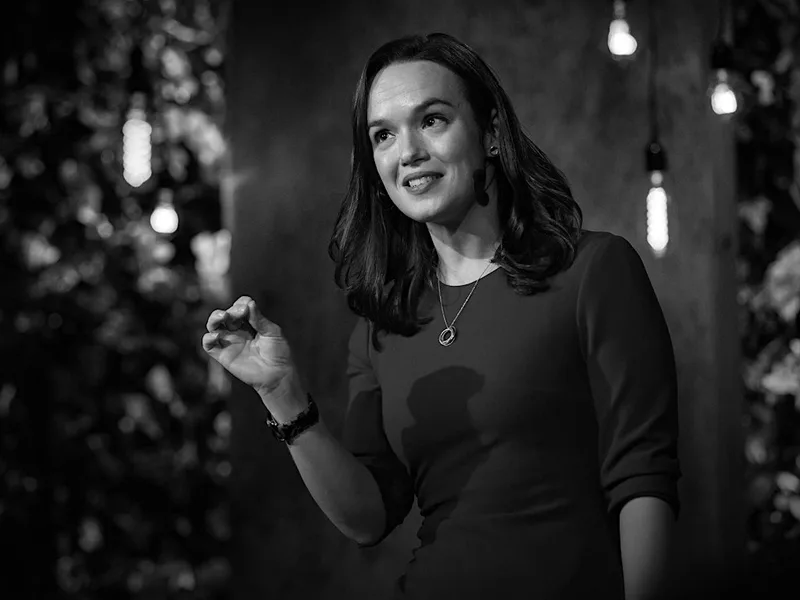
Teresa Bejan - How did Equality become an Egalitarian Ideal?
Ask AI: is it for me?
Similar events
View allAbout This Event
Teresa Bejan will deliver a lecture titled 'How did Equality become an Egalitarian Ideal?' on 27 October 2026 at the Noel Salter Room in Oxford. This lecture is part of the Pharos Autumn Lectures and will explore the complexities and historical context of the concept of equality. The event is free to attend.
The Pharos Autumn Lectures for 2026
Today, political theorists and philosophers treat as axiomatic the claim that all persons are equal. Dig deeper, however, and what we mean by equality—and what it demands from us, politically and otherwise—is far from obvious. Does it mean that we are all the same, and so the same standards should apply indifferently to everyone? Or does it mean that we are all different in ways similarly deserving of respect? These questions, and many more, reflect the profound ambiguities and contradictions that have riddled the history of the idea of equality.
This lecture series explores a radical turning point in that history. Lecture One will establish that, since antiquity, influential legal and philosophical traditions have held that all humans are fundamentally equal. Yet these claims proved surprisingly at home in a world defined by social hierarchy, political exclusion, and enslavement. It was only in seventeenth-century England, that the meaning—and practical circumstances—of equality began to change. Lecture Two traces this transformation in detail, revealing how equality finally became a concrete and actionable political ideal thanks to the unexpected legal arguments—and activism—of an unlikely egalitarian, the Puritan martyr and leading Leveller John Lilburne. Lecture Three examines the immediate reception of Lilburne’s argument among other self-styled “Levellers,” including the Diggers and Quakers, as well as canonical political philosophers like Hobbes and Locke, as they envisioned their own (more and less hierarchical) versions of a society of equals.
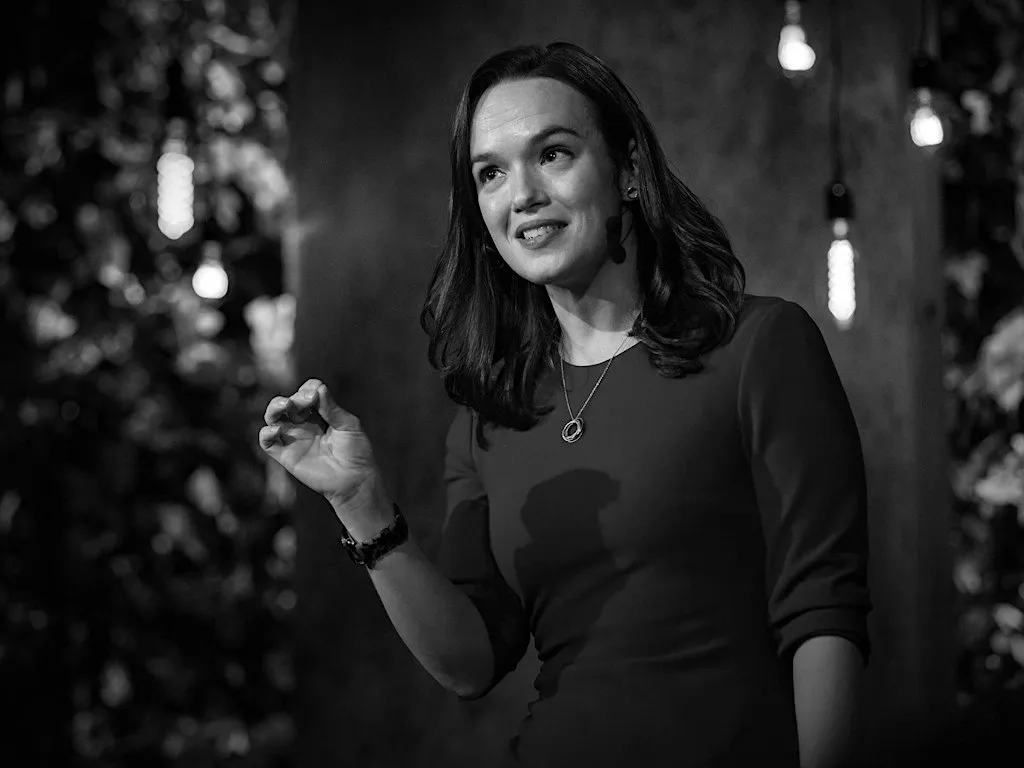
Teresa M. Bejan is Professor of Political Theory and a Fellow of Oriel College at the University of Oxford. She is the author of Mere Civility: Disagreement and the Limits of Toleration (Harvard University Press) and First Among Equals: Visions of Equality before Egalitarianism (Belknap Press), as well as over two dozen academic articles and book chapters bringing historical perspectives to bear on questions in contemporary political theory. She is also the co-editor most recently of The Political Thought of John Locke: New Perspectives (Oxford University Press).
Description supplied by the event organiser.
Staying overnight?
Hotels within walking distance of Noel Salter Room.
Ad · Stay22 affiliate link
Similar Events in Oxford
View all →
Mon, 12 Oct 2026
Using Communication Evidence to Train Clinicians
Rewley House
Free Entry
Wed, 14 Oct 2026
In Conversation: Navigating a Squiggly Career in Healthcare with Professor Ann Colbourne
Rhodes House
Free Entry

Wed, 14 Oct 2026
TORCH Book at Lunchtime: "Wreckers"
Schwarzman Centre for the Humanities
Free Entry
Wed, 14 Oct 2026
How can communities respond to emergencies?
The Hub, Kellogg College
Free Entry

Thu, 15 Oct 2026
Medicine and Faith: a career and a life with Dr Ben Doolittle
Rhodes House
Thu, 15 Oct 2026
Medicine and Faith: a career and a life
Rhodes House
Frequently asked questions
Teresa Bejan - How did Equality become an Egalitarian Ideal? takes place on Tuesday, 27 October 2026 at 17:00.
Teresa Bejan - How did Equality become an Egalitarian Ideal? is held at Noel Salter Room in Oxford (New College, Oxford, OX13BN).
Entry to Teresa Bejan - How did Equality become an Egalitarian Ideal? is free.
Yes — hotels within walking distance of Noel Salter Room can be compared using the accommodation search further down this page.
Tickets for Teresa Bejan - How did Equality become an Egalitarian Ideal? can be booked via Eventbrite using the "Check Tickets & Live Prices" button on this page, which opens the official booking site in a new tab.
Editorial summaryAbout this event
Teresa Bejan will deliver a lecture titled 'How did Equality become an Egalitarian Ideal?' on 27 October 2026 at the Noel Salter Room in Oxford. This lecture is part of the Pharos Autumn Lectures and will explore the complexities and historical context of the concept of equality. The event is free to attend.
This summary was automatically generated from event data sourced from official ticketing providers.
The Pharos Autumn Lectures for 2026
Today, political theorists and philosophers treat as axiomatic the claim that all persons are equal. Dig deeper, however, and what we mean by equality—and what it demands from us, politically and otherwise—is far from obvious. Does it mean that we are all the same, and so the same standards should apply indifferently to everyone? Or does it mean that we are all different in ways similarly deserving of respect? These questions, and many more, reflect the profound ambiguities and contradictions that have riddled the history of the idea of equality.
This lecture series explores a radical turning point in that history. Lecture One will establish that, since antiquity, influential legal and philosophical traditions have held that all humans are fundamentally equal. Yet these claims proved surprisingly at home in a world defined by social hierarchy, political exclusion, and enslavement. It was only in seventeenth-century England, that the meaning—and practical circumstances—of equality began to change. Lecture Two traces this transformation in detail, revealing how equality finally became a concrete and actionable political ideal thanks to the unexpected legal arguments—and activism—of an unlikely egalitarian, the Puritan martyr and leading Leveller John Lilburne. Lecture Three examines the immediate reception of Lilburne’s argument among other self-styled “Levellers,” including the Diggers and Quakers, as well as canonical political philosophers like Hobbes and Locke, as they envisioned their own (more and less hierarchical) versions of a society of equals.
Teresa M. Bejan is Professor of Political Theory and a Fellow of Oriel College at the University of Oxford. She is the author of Mere Civility: Disagreement and the Limits of Toleration (Harvard University Press) and First Among Equals: Visions of Equality before Egalitarianism (Belknap Press), as well as over two dozen academic articles and book chapters bringing historical perspectives to bear on questions in contemporary political theory. She is also the co-editor most recently of The Political Thought of John Locke: New Perspectives (Oxford University Press).
Description supplied by the event organiser.
StayStaying overnight?
Hotels within walking distance of Noel Salter Room. Searching near New College, Oxford, OX13BN; check-in Tuesday, 27 October 2026.
Ad · Stay22 affiliate link
WhereNoel Salter Room
Before you goFrequently asked questions
When is Teresa Bejan - How did Equality become an Egalitarian Ideal??
Teresa Bejan - How did Equality become an Egalitarian Ideal? takes place on Tuesday, 27 October 2026 at 17:00.
Where is Teresa Bejan - How did Equality become an Egalitarian Ideal? taking place?
Teresa Bejan - How did Equality become an Egalitarian Ideal? is held at Noel Salter Room in Oxford (New College, Oxford, OX13BN).
How much are tickets for Teresa Bejan - How did Equality become an Egalitarian Ideal??
Entry to Teresa Bejan - How did Equality become an Egalitarian Ideal? is free.
Is there anywhere to stay near Teresa Bejan - How did Equality become an Egalitarian Ideal??
Yes — hotels within walking distance of Noel Salter Room can be compared using the accommodation search further down this page.
How do I get tickets for Teresa Bejan - How did Equality become an Egalitarian Ideal??
Tickets for Teresa Bejan - How did Equality become an Egalitarian Ideal? can be booked via Eventbrite using the "Check Tickets & Live Prices" button on this page, which opens the official booking site in a new tab.
Price
Free Entry
Secure checkout on Eventbrite — opens in a new tab
Ask AI: is it for me?
EventsList lists 215,000+ events across the UK. Tickets are sold by the venue or its authorised sellers, never by us.
Not this one?Similar events in Oxford
View all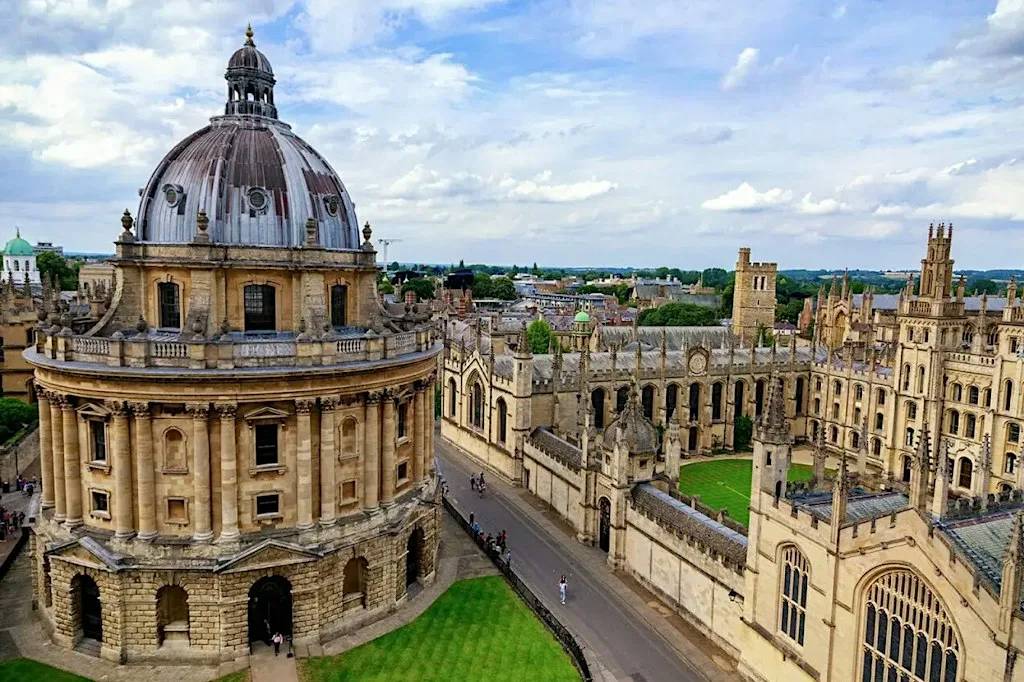

More things to do in Oxford
- Talk: Healthy Homes in a Net Zero TransitionMonday, 19 October 2026
- Elif Shafak in conversation at The Sheldonian Theatre, OxfordFriday, 23 October 2026
- Rhodes Forum on Technology & Society 2026Saturday, 7 November 2026
- Mark Bowles - How Do People Stay the SameFriday, 16 October 2026
- Distinguished Speaker Seminar: Aamer SheikhWednesday, 4 November 2026
- Black History Month Lecture 2026: The Iconicity of AfricaThursday, 22 October 2026
- Jennifer Lane & Elizabeth Sulis Kim RECLAIMING WILD INTUITIONSaturday, 31 October 2026
- Edith Hall MEDEA : A LIFESaturday, 24 October 2026
- Owen Jones THE FALL OF THE WEST at The Examination SchoolsTuesday, 3 November 2026
- Progress, Regression, and the Social Adoption of AITuesday, 27 October 2026
- Dr Jean Menzies APHRODISIATuesday, 27 October 2026
- Strachey Lecture - Professor Alastair BeresfordTuesday, 27 October 2026
- Weapons of Mass Persuasion: Propaganda during war & peace?Monday, 26 October 2026
- China Lecture: Sichuan Cuisine, Food Culture and Folk ArtsWednesday, 28 October 2026