Too Many; Didn't Read? Classifying Large Datasets with LLMs
11°C · 84% rain
Rain very likely — waterproofs, not just a brolly.
Ask AI: is it for me?
Similar events
View allAbout This Event
The event will focus on using large language models (LLMs) to classify datasets and extract information at scale, while also addressing the reliability of the results. It takes place on 26 October 2026 at Cambridge Digital Humanities.
Using large language models (LLMs) to classify datasets and extract information at scale, and on knowing when the results can be trusted
Convenor
Raphael Hernandes (https://www.cdh.cam.ac.uk/about/people/raphael-hernandes/?category=1946)
Raphael is a PhD candidate at Cambridge Digital Humanities, researching how AI impacts journalism, information environments, and mediation. His academic work comes after more than a decade as a journalist at places like Folha de S.Paulo and the Guardian.
Description
This workshop covers how to use large language models (LLMs) to classify datasets and extract information at scale, and on knowing when the results can be trusted. Researchers often face corpora too large to read and classify manually. Data from social media and other online platforms pose a greater challenge due to chaotic communication, slang, and shifting meanings across communities. Fixed dictionaries, keyword counts, and older machine learning models can be tricky to implement and often fail at complex labelling in this kind of data. LLMs and multimodal models can code (in the social sciences sense) and extract information at scale. Outputs, however, are probabilistic by design; without testing, there is no way to know whether a classification is reliable. Thus, validation is an essential step. The workshop moves in four parts. First, context: where LLMs are appropriate against manual coding or supervised machine learning. Second, the hands-on core: designing a codebook, writing structured prompts, classifying a real dataset. Third, validation: building gold-standard subsets, measuring agreement, and analysing errors. Fourth, extensions: cross-checking across models and extracting information from images. No programming experience is necessary for this workshop, though Python notebooks will be presented as an option for those who prefer them.
Is any equipment or Software required?
Participants need a laptop, a web browser, and a Google Account. The workshop uses Google's Gemini API, which has a free tier that requires no credit card or payment details. Participants create their own API key through Google AI Studio using a personal Google account. Setup instructions will be circulated in advance. Both tracks run in the browser, with nothing to install: - No-code: a Google Sheets template I provide, which calls the model from a spreadsheet formula. - Code: a Google Colab notebook I provide. Exercises are sized to stay within free-tier rate limits. I will also supply pre-computed model outputs so that the validation exercises — the core of the session — can be completed with no API access at all, should keys or connectivity fail. The methods are not tied to any one provider. The same workflow applies to other models, and the materials note alternatives, including locally-run ones.
Target Audience
Our CDH Methods workshops have limited places and are prioritised for students and staff at the University of Cambridge. However, if space is available, we welcome all participants who want to learn and apply digital methods and use digital tools in their research.
This session may be of particular interest to:
PhD students in the Arts, Humanities and Social Sciences
Early Career Researchers in the Arts, Humanities and Social Sciences
Contact CDH
If you have specific accessibility needs for this event, please get in touch. We will do our best to accommodate any requests, however please note that the building is grade 2 listed and has 4 steps into the building so unfortunately wheelchair access is not available.
This workshop is part of our Methods Fellowship programme, which develops and delivers innovative teaching in digital methods. You can read more about the programme here (https://www.cdh.cam.ac.uk/methods/methods-fellowships-2026-27/)and view the complete series of workshops here (https://www.cdh.cam.ac.uk/events/?type=1813&range=upcoming).
Description supplied by the event organiser.
Staying overnight?
Hotels within walking distance of Cambridge Digital Humanities, 2 Trumpington Street, Cambridge.
Ad · Stay22 affiliate link
Similar Events in Cambridge
View all →
Mon, 26 Oct 2026
The Organization of Goal-Directed Behaviour in the Brain
Bristol-Myers Squibb Lecture Theatre, Yusef Hamied Department of Chemistry, (entrance to lecture theatre, adjacent to the Scott Polar Research Institute)
Free Entry
Tue, 27 Oct 2026
Climate shocks, conflict and primary education in Ethiopia
Faculty of Education, University of Cambridge
Free Entry
Wed, 28 Oct 2026
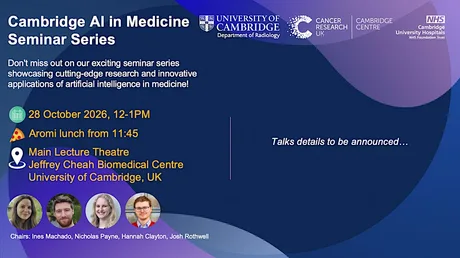
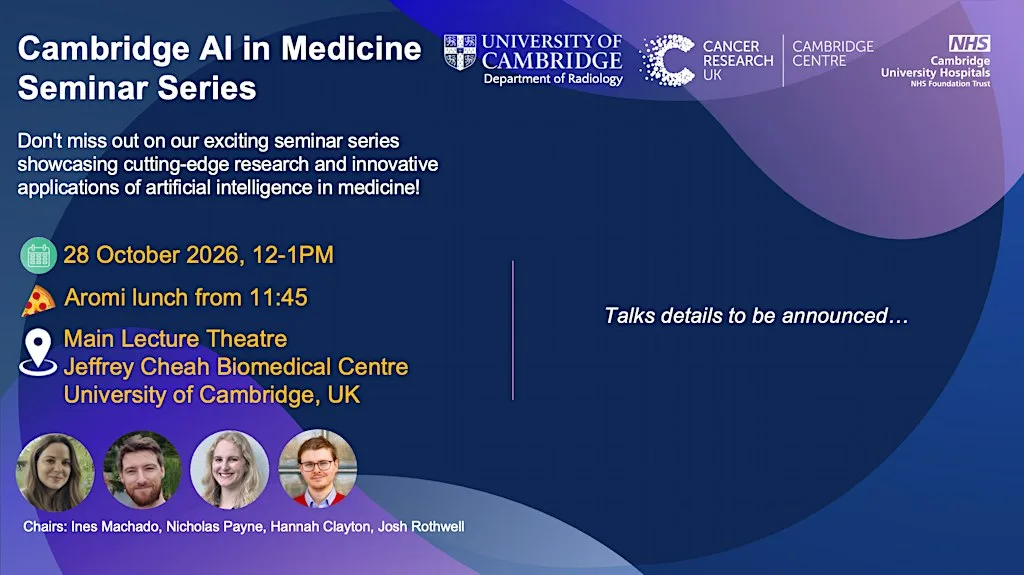
Cambridge AI in Medicine Seminar Series - October 2026
Jeffrey Cheah Biomedical Centre, Main Lecture Theatre
Free Entry
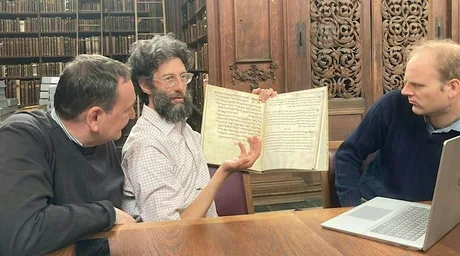
Wed, 28 Oct 2026
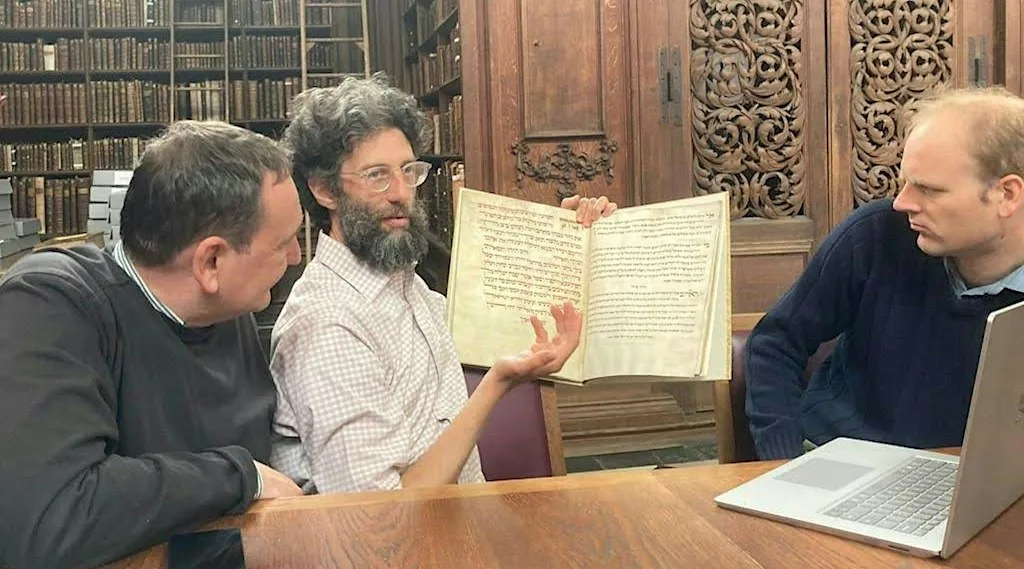
StED Talk with Prof. Aaron Koller
St. Edward King and Martyr
Free Entry
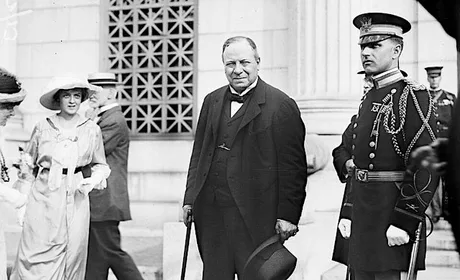
Thu, 29 Oct 2026
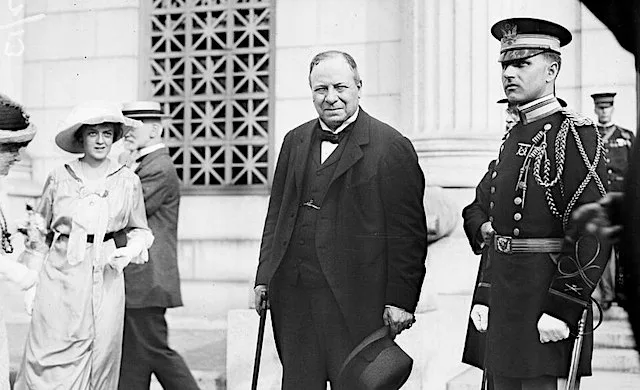
Richard Haldane and the modernization of the British State
Sidney Sussex College
Free Entry
Fri, 30 Oct 2026
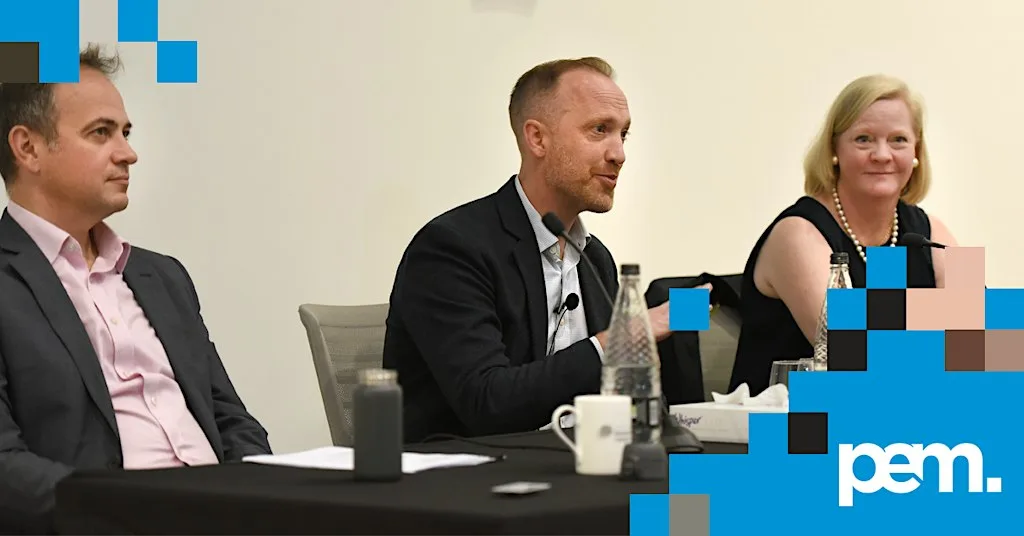
PEM Autumn Budget Seminar 2026
The Cambridge Building
Free Entry
More at Cambridge Digital Humanities, 2 Trumpington Street, Cambridge
View all →
Mon, 26 Oct 2026
Gerhard Richter and the Technological Condition of Painting
Cambridge Digital Humanities, 2 Trumpington Street, Cambridge
Free Entry

Mon, 2 Nov 2026
Mapping Historical Networks
Cambridge Digital Humanities, 2 Trumpington Street, Cambridge
Free Entry
Mon, 23 Nov 2026
When More Talking isn't More Learning
Cambridge Digital Humanities, 2 Trumpington Street, Cambridge
Free Entry
Mon, 30 Nov 2026
Data Centres and the City: A Critical Mapping Workshop
Cambridge Digital Humanities, 2 Trumpington Street, Cambridge
Free Entry

Mon, 7 Dec 2026
Before the Answer: Visual Methods and the Preservation of Judgement
Cambridge Digital Humanities, 2 Trumpington Street, Cambridge
Free Entry
Mon, 14 Dec 2026
Acoustic Evidence in Context
Cambridge Digital Humanities, 2 Trumpington Street, Cambridge
Free Entry
Frequently asked questions
Too Many; Didn't Read? Classifying Large Datasets with LLMs takes place on Monday, 26 October 2026 at 13:00.
Too Many; Didn't Read? Classifying Large Datasets with LLMs is held at Cambridge Digital Humanities, 2 Trumpington Street, Cambridge in Cambridge (2 Trumpington Street, Cambridge, CB2 1QA).
Entry to Too Many; Didn't Read? Classifying Large Datasets with LLMs is free.
The forecast for Too Many; Didn't Read? Classifying Large Datasets with LLMs is Drizzle · 11°C. Rain very likely — waterproofs, not just a brolly.
Yes — hotels within walking distance of Cambridge Digital Humanities, 2 Trumpington Street, Cambridge can be compared using the accommodation search further down this page.
Tickets for Too Many; Didn't Read? Classifying Large Datasets with LLMs can be booked via Eventbrite using the "Check Tickets & Live Prices" button on this page, which opens the official booking site in a new tab.
Too Many; Didn't Read? Classifying Large Datasets with LLMs
13:00
Cambridge Digital Humanities, 2 Trumpington Street, Cambridge · Cambridge
Editorial summaryAbout this event
The event will focus on using large language models (LLMs) to classify datasets and extract information at scale, while also addressing the reliability of the results. It takes place on 26 October 2026 at Cambridge Digital Humanities.
This summary was automatically generated from event data sourced from official ticketing providers.
Using large language models (LLMs) to classify datasets and extract information at scale, and on knowing when the results can be trusted
Convenor
Raphael Hernandes (https://www.cdh.cam.ac.uk/about/people/raphael-hernandes/?category=1946)
Raphael is a PhD candidate at Cambridge Digital Humanities, researching how AI impacts journalism, information environments, and mediation. His academic work comes after more than a decade as a journalist at places like Folha de S.Paulo and the Guardian.
Description
This workshop covers how to use large language models (LLMs) to classify datasets and extract information at scale, and on knowing when the results can be trusted. Researchers often face corpora too large to read and classify manually. Data from social media and other online platforms pose a greater challenge due to chaotic communication, slang, and shifting meanings across communities. Fixed dictionaries, keyword counts, and older machine learning models can be tricky to implement and often fail at complex labelling in this kind of data. LLMs and multimodal models can code (in the social sciences sense) and extract information at scale. Outputs, however, are probabilistic by design; without testing, there is no way to know whether a classification is reliable. Thus, validation is an essential step. The workshop moves in four parts. First, context: where LLMs are appropriate against manual coding or supervised machine learning. Second, the hands-on core: designing a codebook, writing structured prompts, classifying a real dataset. Third, validation: building gold-standard subsets, measuring agreement, and analysing errors. Fourth, extensions: cross-checking across models and extracting information from images. No programming experience is necessary for this workshop, though Python notebooks will be presented as an option for those who prefer them.
Is any equipment or Software required?
Participants need a laptop, a web browser, and a Google Account. The workshop uses Google's Gemini API, which has a free tier that requires no credit card or payment details. Participants create their own API key through Google AI Studio using a personal Google account. Setup instructions will be circulated in advance. Both tracks run in the browser, with nothing to install: - No-code: a Google Sheets template I provide, which calls the model from a spreadsheet formula. - Code: a Google Colab notebook I provide. Exercises are sized to stay within free-tier rate limits. I will also supply pre-computed model outputs so that the validation exercises — the core of the session — can be completed with no API access at all, should keys or connectivity fail. The methods are not tied to any one provider. The same workflow applies to other models, and the materials note alternatives, including locally-run ones.
Target Audience
Our CDH Methods workshops have limited places and are prioritised for students and staff at the University of Cambridge. However, if space is available, we welcome all participants who want to learn and apply digital methods and use digital tools in their research.
This session may be of particular interest to:
PhD students in the Arts, Humanities and Social Sciences
Early Career Researchers in the Arts, Humanities and Social Sciences
Contact CDH
If you have specific accessibility needs for this event, please get in touch. We will do our best to accommodate any requests, however please note that the building is grade 2 listed and has 4 steps into the building so unfortunately wheelchair access is not available.
This workshop is part of our Methods Fellowship programme, which develops and delivers innovative teaching in digital methods. You can read more about the programme here (https://www.cdh.cam.ac.uk/methods/methods-fellowships-2026-27/)and view the complete series of workshops here (https://www.cdh.cam.ac.uk/events/?type=1813&range=upcoming).
Description supplied by the event organiser.
StayStaying overnight?
Hotels within walking distance of Cambridge Digital Humanities, 2 Trumpington Street, Cambridge. Searching near 2 Trumpington Street, Cambridge, CB2 1QA; check-in Monday, 26 October 2026.
Ad · Stay22 affiliate link
WhereCambridge Digital Humanities, 2 Trumpington Street, Cambridge
Before you goFrequently asked questions
When is Too Many; Didn't Read? Classifying Large Datasets with LLMs?
Too Many; Didn't Read? Classifying Large Datasets with LLMs takes place on Monday, 26 October 2026 at 13:00.
Where is Too Many; Didn't Read? Classifying Large Datasets with LLMs taking place?
Too Many; Didn't Read? Classifying Large Datasets with LLMs is held at Cambridge Digital Humanities, 2 Trumpington Street, Cambridge in Cambridge (2 Trumpington Street, Cambridge, CB2 1QA).
How much are tickets for Too Many; Didn't Read? Classifying Large Datasets with LLMs?
Entry to Too Many; Didn't Read? Classifying Large Datasets with LLMs is free.
What will the weather be like at Too Many; Didn't Read? Classifying Large Datasets with LLMs?
The forecast for Too Many; Didn't Read? Classifying Large Datasets with LLMs is Drizzle · 11°C. Rain very likely — waterproofs, not just a brolly.
Is there anywhere to stay near Too Many; Didn't Read? Classifying Large Datasets with LLMs?
Yes — hotels within walking distance of Cambridge Digital Humanities, 2 Trumpington Street, Cambridge can be compared using the accommodation search further down this page.
How do I get tickets for Too Many; Didn't Read? Classifying Large Datasets with LLMs?
Tickets for Too Many; Didn't Read? Classifying Large Datasets with LLMs can be booked via Eventbrite using the "Check Tickets & Live Prices" button on this page, which opens the official booking site in a new tab.
Availability
Sold out
Eventbrite shows no tickets left
Date
Time
Weather
feels like 7°C · chance of rain 84% · wind 24 km/h
Venue
2 Trumpington Street, Cambridge, CB2 1QA
Tickets are sold out
Checked yesterday. Returns and extra releases do happen — the seller's page is the place they show up.
Secure checkout on Eventbrite — opens in a new tab
Ask AI: is it for me?
EventsList lists 224,000+ events across the UK. Tickets are sold by the venue or its authorised sellers, never by us.
Same venueMore at Cambridge Digital Humanities, 2 Trumpington Street, Cambridge
All at this venue


Not this one?Similar events in Cambridge
View all
More things to do in Cambridge
- Natalie Haynes: Irresistible MonsterSunday, 28 February 2027
- CAHS MT26 - Will Palin (CEO Barts Heritage)Monday, 30 November 2026
- 'We Flow On': Robert Macfarlane and Mark Wormald on Living WaterTuesday, 3 November 2026
- “Rachmaninoff and the Myth of Exile”, a talk by Prof Marina Frolova-WalkerFriday, 6 November 2026
- Listening Session: Muslim and Jewish Recordings from the Ottoman EmpireMonday, 23 November 2026
- Art & Soul: Healing and Imagination in Islamic PsychologySaturday, 21 November 2026
- AI for Women's Health: A Policy EventMonday, 9 November 2026
- The Revelation That Inspired Muhammad Ep 1 & 2Friday, 27 November 2026
- Interfaith Connection Cambridge - LightThursday, 12 November 2026
- CAHS MT26 - Matthew Walker, Assistant Professor of British ArchitectureMonday, 26 October 2026
- Unity in adversity - The geopolitical case for joining the EUMonday, 26 October 2026
- Is civil disobedience acceptable? (Venue: Caffè Nero)Sunday, 25 October 2026
- Is civil disobedience acceptable? (Venue: Starbucks)Sunday, 25 October 2026
- Is optimism a virtue, a bias, or a coping strategy?Sunday, 25 October 2026