Investing in Dublin: Tontines, Women, and Financial Life in 19th C Ireland
Wed 7 Oct · 13:00
Royal Irish Academy
Venue events →
16°C · 22% rain
Similar events
View all →About This Event
The talk titled 'Investing in Dublin: Tontines, Women, and Financial Life in 19th C Ireland' will occur at the Royal Irish Academy on 7 October 2026. This event will examine how ordinary Dubliners engaged with savings and commercial speculation in the 19th century. Attendance is free.
These talks will explore how ordinary Dubliners engaged with systems of savings and commercial
speculation in the nineteenth century.
Speakers:
Dr Andrew McDiarmid
Adam Kane (PhD candidate at UCD)
These short talks examine histories of investment and mutual finance in nineteenth-century Ireland through archival discoveries drawn from the Charles Haliday Collection at the Royal Irish Academy and the Digital Archive of Irish Tontines (DAIT). Bringing together research on Irish tontines and women investors, the event explores how ordinary Dubliners engaged with systems of savings, welfare, and commercial speculation in ways that have often been overlooked in the historical record.
The first paper investigates Irish tontines: collective financial schemes in which benefits accrued to surviving subscribers over time. Using pamphlets, rulebooks, and subscriber lists, it shows how tontines operated not only as investment vehicles but also as mechanisms for burial provision, mutual aid, temperance activism, and community organisation. Particular attention is given to Dublin-based schemes and to the importance of the Haliday Collection as a source of evidence following the destruction of so many records in the Public Records Office fire of 1922.
The second paper focuses on Irish women as investors. Although women’s financial activities are often difficult to trace, shareholder records from companies such as the Dublin and Drogheda Railway Company and the Irish Mining Company reveal that women played a modest but meaningful role in Ireland’s investment culture. Preserved within the Haliday Collection, these records suggest that women were particularly drawn to infrastructural and income-generating ventures that appeared to offer steady and secure returns.
Together, the papers demonstrate how fragmentary archival evidence can illuminate overlooked dimensions of Dublin’s social and economic history.
Dr Andrew McDiarmid
Dr Andrew McDiarmid is an SFI-IRC Pathway Fellow in the School of History at University College Dublin. He specialises in the financial and cultural impact of the tontine in Britain and Ireland, money in Early Modern Britain, and the Scottish and English Financial Revolutions. Dr McDiarmid has authored two monographs: The Tontine: A History (Routledge, 2024), and Credit, Currency, and Capital: The Scottish Financial Revolution, 1690-1727 (Routledge, 2023). He is currently writing his third, The Origins of the Royal Bank of Scotland: A History, due for publication in summer 2027.
Adam Kane (PhD Candidate, UCD).
Adam's work examines Irish women's investment practices from 1820-1900. He is interested in the types of investments favoured by Irish women and how these were affected by factors such as social class, religion, and marital status. Through extensive archival research, this work enhances our understanding of Irish women's economic agency and illuminates the intersections of gender, class, and finance in nineteenth-century Ireland.
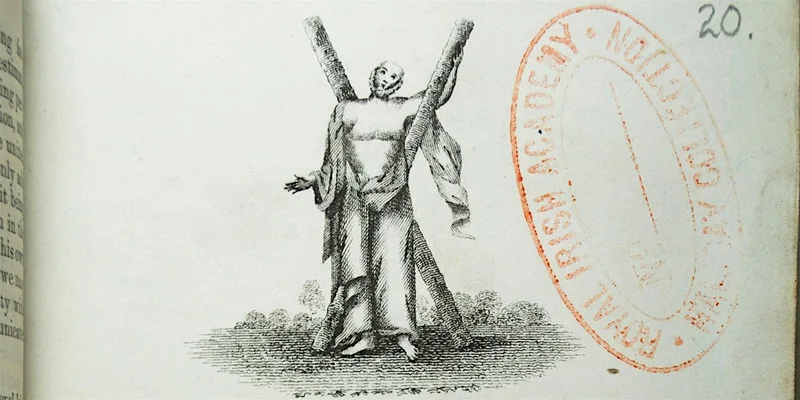
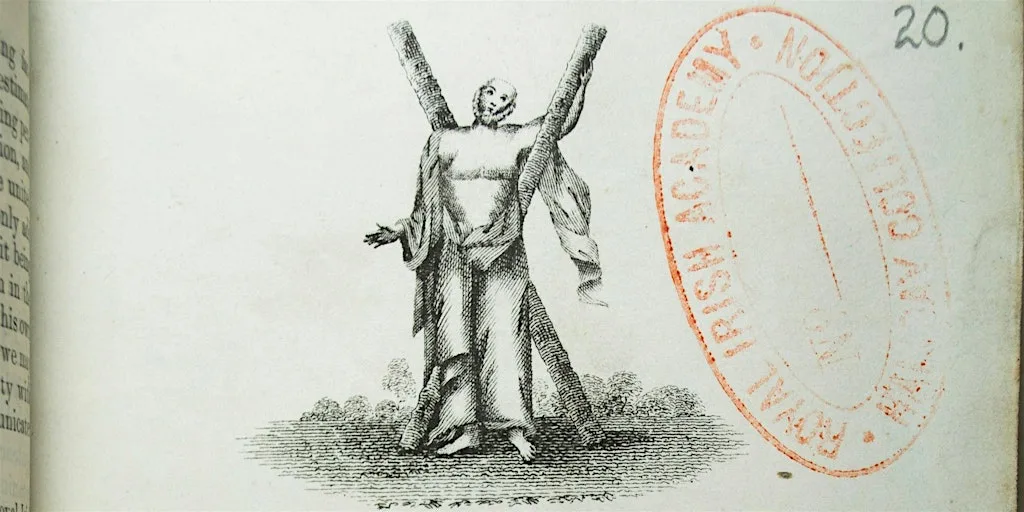
Image: The Friendly Brothers of Saint Andrew Tontine Society, instituted January, 1848, RIA HP 2036/20
Riachtanais rochtana
An bhfuil riachtanais rochtana de chineál ar bith agat? An bhféadfaimis cuidiú leat tairbhe iomlán a bhaint as an imeacht? Bí i dteagmháil, roimh ré, le hoifigeach rochtana an Acadaimh, accessofficer@ria.ie
Access requirements
Have you got any access requirements that we can assist you with, so that you can fully engage with our event? Please let us know by contacting our access officer in advance of the event by email: accessofficer@ria.ie
Eolas faoi Acadamh Ríoga na hÉireann
Is cumann léannta neamhspleách, uile-oileáin é Acadamh Ríoga na hÉireann, a bunaíodh sa bhliain 1785. Tacaíonn an tAcadamh le scoláireacht agus taighde sna heolaíochtaí, sna daonnachtaí agus sna heolaíochtaí sóisialta. Tá tuairim is 680 comhalta tofa ann agus 80 ball foirne, agus déanann siad ionadaíocht ar son na hÉireann go hidirnáisiúnta, cuireann siad comhairle shaineolach ar fáil don rialtas, déanann siad taighde, déanann siad deontais taighde a riaradh, eagraíonn siad comhdhálacha agus léachtaí poiblí, cuireann siad leabhair agus irisí acadúla i gcló, agus déanann siad cúram de leabharlann taighde.
About the Royal Irish Academy
The Royal Irish Academy, established in 1785, is an all-island, independent learned society and academic body that champions research by supporting and promoting scholarship in the sciences, humanities and social sciences. Its elected membership of approximately 680 individuals and 80 staff represent Ireland internationally, provide expert advice to government, carry out research, administer research grants, organise conferences and public lectures, publish academic books and journals, and maintain a research library.
Léigh ár gCód Iompair maidir le hImeachtaí agus ár Data Protection Policies.
Read our Events Code of Conduct and our Data Protection Policies.
Acadamh Ríoga na hÉireann | Royal Irish AcademyT: +353 (0)1 609 0600
ria.ie/li
Description supplied by the event organiser.
Staying overnight?
Hotels within walking distance of Royal Irish Academy.
Ad · Stay22 affiliate link
Similar Events in Dublin
View all → €13.85
Imperfections - Honouring our Clothes
Thu, 24 Sept 2026
Bewley's Grafton Street
 €11.70
ICLO-NLS Opening Event - Psychopathy & the Art of Psychoanalysis
Sat, 26 Sept 2026
Carmelite Community Centre
 Free Entry
‘We Entered History & Ignorance’: Derry in the 1940s
Sat, 26 Sept 2026
Seamus Heaney: Listen Now Again, Westmoreland Street, Dublin, D02 VR66
 Free Entry
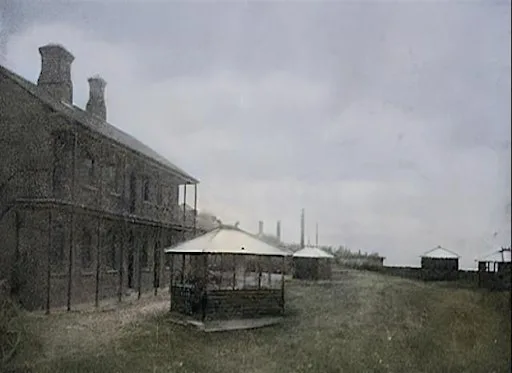
A Forgotten Dublin Hospital: The Pigeon House Hospital
Mon, 28 Sept 2026
The Substation - Dublin Port Centre
 From €13.82
The History of Witch Hunts in Ireland
Tue, 29 Sept 2026
The Sugar Club
 Free Entry
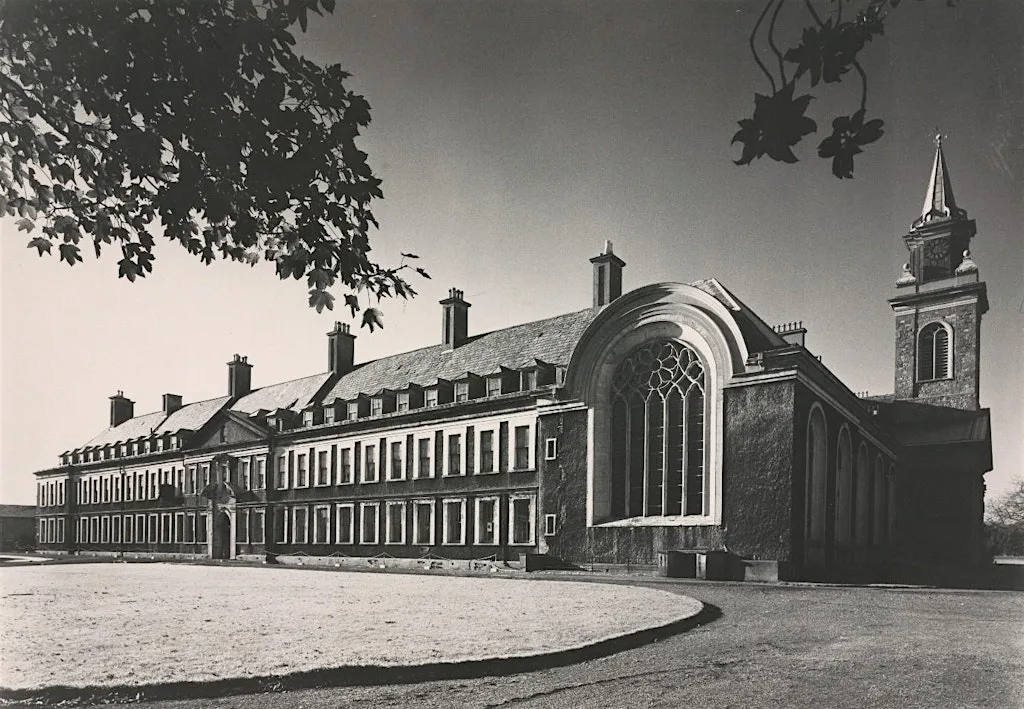
The Duke of Ormond, his Dutch Architects and the Royal Hospital Kilmainham
Tue, 29 Sept 2026
The Wood Quay Venue
More at Royal Irish Academy
View all → €0.00
€0.00Transformation in Global Politics: power, positionalities, the Global South
Mon, 28 Sept 2026
 £0.00
£0.00Panel discussion: 'To BA or not to BA?'
Mon, 28 Sept 2026
 €0.00
€0.00Ireland and Europe: the first EEC Presidency, 1975
Wed, 30 Sept 2026
 €0.00
€0.00Discourse Series: 'Diversity in research'
Wed, 30 Sept 2026
 £0.00
£0.00Who pays for creativity? Tax policy for creative industries
Fri, 9 Oct 2026
 €0.00
€0.00Discourse Series: 'Diversity in politics | The politics of diversity'
Tue, 13 Oct 2026
Frequently asked questions
Investing in Dublin: Tontines, Women, and Financial Life in 19th C Ireland takes place on Wednesday, 7 October 2026 at 13:00.
Investing in Dublin: Tontines, Women, and Financial Life in 19th C Ireland is held at Royal Irish Academy in Dublin (19 Dawson St, Dublin, D2).
Entry to Investing in Dublin: Tontines, Women, and Financial Life in 19th C Ireland is free.
The forecast for Investing in Dublin: Tontines, Women, and Financial Life in 19th C Ireland is Clear · 16°C.
Yes — hotels within walking distance of Royal Irish Academy can be compared using the accommodation search further down this page.
Tickets for Investing in Dublin: Tontines, Women, and Financial Life in 19th C Ireland can be booked via Eventbrite using the "Check Tickets & Live Prices" button on this page, which opens the official booking site in a new tab.
Investing in Dublin: Tontines, Women, and Financial Life in 19th C Ireland
Editorial Summary
The talk titled 'Investing in Dublin: Tontines, Women, and Financial Life in 19th C Ireland' will occur at the Royal Irish Academy on 7 October 2026. This event will examine how ordinary Dubliners engaged with savings and commercial speculation in the 19th century. Attendance is free.
This summary was automatically generated from event data sourced from official ticketing providers.
Organiser’s full description
These talks will explore how ordinary Dubliners engaged with systems of savings and commercial
speculation in the nineteenth century.
Speakers:
Dr Andrew McDiarmid
Adam Kane (PhD candidate at UCD)
These short talks examine histories of investment and mutual finance in nineteenth-century Ireland through archival discoveries drawn from the Charles Haliday Collection at the Royal Irish Academy and the Digital Archive of Irish Tontines (DAIT). Bringing together research on Irish tontines and women investors, the event explores how ordinary Dubliners engaged with systems of savings, welfare, and commercial speculation in ways that have often been overlooked in the historical record.
The first paper investigates Irish tontines: collective financial schemes in which benefits accrued to surviving subscribers over time. Using pamphlets, rulebooks, and subscriber lists, it shows how tontines operated not only as investment vehicles but also as mechanisms for burial provision, mutual aid, temperance activism, and community organisation. Particular attention is given to Dublin-based schemes and to the importance of the Haliday Collection as a source of evidence following the destruction of so many records in the Public Records Office fire of 1922.
The second paper focuses on Irish women as investors. Although women’s financial activities are often difficult to trace, shareholder records from companies such as the Dublin and Drogheda Railway Company and the Irish Mining Company reveal that women played a modest but meaningful role in Ireland’s investment culture. Preserved within the Haliday Collection, these records suggest that women were particularly drawn to infrastructural and income-generating ventures that appeared to offer steady and secure returns.
Together, the papers demonstrate how fragmentary archival evidence can illuminate overlooked dimensions of Dublin’s social and economic history.
Dr Andrew McDiarmid
Dr Andrew McDiarmid is an SFI-IRC Pathway Fellow in the School of History at University College Dublin. He specialises in the financial and cultural impact of the tontine in Britain and Ireland, money in Early Modern Britain, and the Scottish and English Financial Revolutions. Dr McDiarmid has authored two monographs: The Tontine: A History (Routledge, 2024), and Credit, Currency, and Capital: The Scottish Financial Revolution, 1690-1727 (Routledge, 2023). He is currently writing his third, The Origins of the Royal Bank of Scotland: A History, due for publication in summer 2027.
Adam Kane (PhD Candidate, UCD).
Adam's work examines Irish women's investment practices from 1820-1900. He is interested in the types of investments favoured by Irish women and how these were affected by factors such as social class, religion, and marital status. Through extensive archival research, this work enhances our understanding of Irish women's economic agency and illuminates the intersections of gender, class, and finance in nineteenth-century Ireland.
Image: The Friendly Brothers of Saint Andrew Tontine Society, instituted January, 1848, RIA HP 2036/20
Riachtanais rochtana
An bhfuil riachtanais rochtana de chineál ar bith agat? An bhféadfaimis cuidiú leat tairbhe iomlán a bhaint as an imeacht? Bí i dteagmháil, roimh ré, le hoifigeach rochtana an Acadaimh, accessofficer@ria.ie
Access requirements
Have you got any access requirements that we can assist you with, so that you can fully engage with our event? Please let us know by contacting our access officer in advance of the event by email: accessofficer@ria.ie
Eolas faoi Acadamh Ríoga na hÉireann
Is cumann léannta neamhspleách, uile-oileáin é Acadamh Ríoga na hÉireann, a bunaíodh sa bhliain 1785. Tacaíonn an tAcadamh le scoláireacht agus taighde sna heolaíochtaí, sna daonnachtaí agus sna heolaíochtaí sóisialta. Tá tuairim is 680 comhalta tofa ann agus 80 ball foirne, agus déanann siad ionadaíocht ar son na hÉireann go hidirnáisiúnta, cuireann siad comhairle shaineolach ar fáil don rialtas, déanann siad taighde, déanann siad deontais taighde a riaradh, eagraíonn siad comhdhálacha agus léachtaí poiblí, cuireann siad leabhair agus irisí acadúla i gcló, agus déanann siad cúram de leabharlann taighde.
About the Royal Irish Academy
The Royal Irish Academy, established in 1785, is an all-island, independent learned society and academic body that champions research by supporting and promoting scholarship in the sciences, humanities and social sciences. Its elected membership of approximately 680 individuals and 80 staff represent Ireland internationally, provide expert advice to government, carry out research, administer research grants, organise conferences and public lectures, publish academic books and journals, and maintain a research library.
Léigh ár gCód Iompair maidir le hImeachtaí agus ár Data Protection Policies.
Read our Events Code of Conduct and our Data Protection Policies.
Acadamh Ríoga na hÉireann | Royal Irish AcademyT: +353 (0)1 609 0600
ria.ie/li
Description supplied by the event organiser.
❓ Frequently asked questions
When is Investing in Dublin: Tontines, Women, and Financial Life in 19th C Ireland?
Investing in Dublin: Tontines, Women, and Financial Life in 19th C Ireland takes place on Wednesday, 7 October 2026 at 13:00.
Where is Investing in Dublin: Tontines, Women, and Financial Life in 19th C Ireland taking place?
Investing in Dublin: Tontines, Women, and Financial Life in 19th C Ireland is held at Royal Irish Academy in Dublin (19 Dawson St, Dublin, D2).
How much are tickets for Investing in Dublin: Tontines, Women, and Financial Life in 19th C Ireland?
Entry to Investing in Dublin: Tontines, Women, and Financial Life in 19th C Ireland is free.
What will the weather be like at Investing in Dublin: Tontines, Women, and Financial Life in 19th C Ireland?
The forecast for Investing in Dublin: Tontines, Women, and Financial Life in 19th C Ireland is Clear · 16°C.
Is there anywhere to stay near Investing in Dublin: Tontines, Women, and Financial Life in 19th C Ireland?
Yes — hotels within walking distance of Royal Irish Academy can be compared using the accommodation search further down this page.
How do I get tickets for Investing in Dublin: Tontines, Women, and Financial Life in 19th C Ireland?
Tickets for Investing in Dublin: Tontines, Women, and Financial Life in 19th C Ireland can be booked via Eventbrite using the "Check Tickets & Live Prices" button on this page, which opens the official booking site in a new tab.
🏨 Staying overnight?
Hotels within walking distance of Royal Irish Academy
Ad · Stay22 affiliate link
Price
Free Entry
Date
Until Wednesday, 7 October 2026
Time
Weather
feels like 13°C · chance of rain 22% · wind 20 km/h
EventsList curates 176,000+ events across the UK. Tickets purchased via the venue or authorised sellers only.
More Events at Royal Irish Academy
View all →
Transformation in Global Politics: power, positionalities, the Global South
📍 Royal Irish Academy
€0.00

Panel discussion: 'To BA or not to BA?'
📍 Royal Irish Academy
£0.00
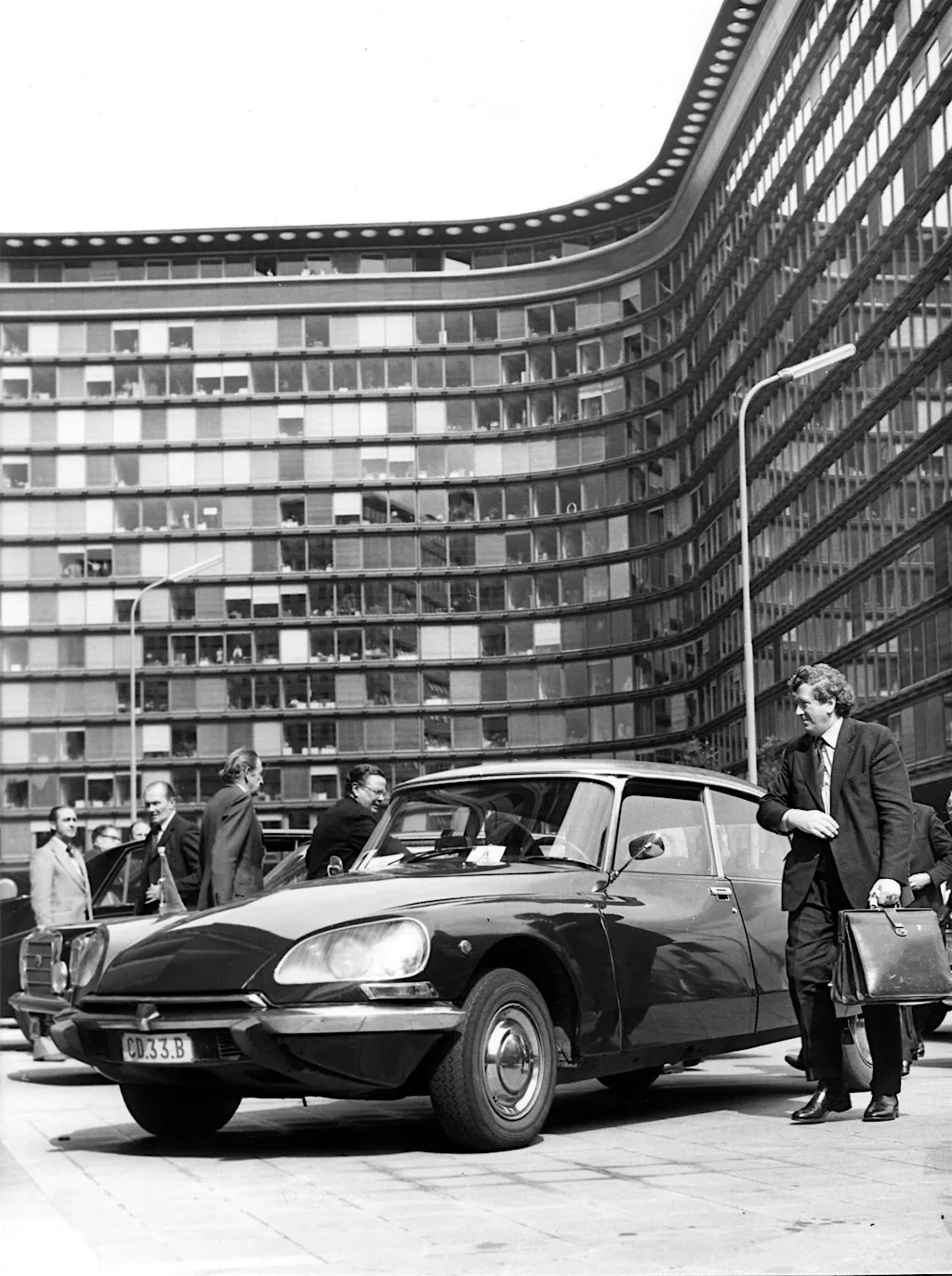
Ireland and Europe: the first EEC Presidency, 1975
📍 Royal Irish Academy
€0.00

Discourse Series: 'Diversity in research'
📍 Royal Irish Academy
€0.00

Who pays for creativity? Tax policy for creative industries
📍 Royal Irish Academy
£0.00
Discourse Series: 'Diversity in politics | The politics of diversity'
📍 Royal Irish Academy
€0.00
Similar Events in Dublin
View all →
Imperfections - Honouring our Clothes
📍 Bewley's Grafton Street
€13.85
ICLO-NLS Opening Event - Psychopathy & the Art of Psychoanalysis
📍 Carmelite Community Centre
€11.70
 FREE
FREE‘We Entered History & Ignorance’: Derry in the 1940s
📍 Seamus Heaney: Listen Now Again, Westmoreland Street, Dublin, D02 VR66
 SOLD OUT
A Forgotten Dublin Hospital: The Pigeon House Hospital
📍 The Substation - Dublin Port Centre
Sold out at source
 SOLD OUT
The History of Witch Hunts in Ireland
📍 The Sugar Club
Sold out at source
 FREE
FREEThe Duke of Ormond, his Dutch Architects and the Royal Hospital Kilmainham
📍 The Wood Quay Venue
More things to do in Dublin
- Naomi Klein and Astra Taylor: End Times Fascism· Friday, 2 October 2026
- Modernism and the Making of Contemporary Europe· Monday, 28 September 2026
- How Our Minds Shape Each Other with Shane O'Mara· Monday, 28 September 2026
- Vikings Across Ireland: A Dublinia Lecture Series· Thursday, 8 October 2026
- Heritage Day: Medicine, Art and Society in Georgian Dublin· Wednesday, 21 October 2026
- Into Irish· Thursday, 15 October 2026
- No One Tells You· Thursday, 5 November 2026
- Defenses of Dublin Port· Wednesday, 7 October 2026
- Ideas On Tap #10 (Lectures In Pubs)· Wednesday, 7 October 2026
- Using the Registry of Deeds wills collection for family history· Tuesday, 6 October 2026
- Insights: Tool-Kit to Jump Start a Poem· Thursday, 8 October 2026
- Selling Leisure: Urban Electrification in 20th Century Dublin· Monday, 5 October 2026
- Information Lecture: Help Healing on the Spiritual Path. DUBLIN· Monday, 5 October 2026
- Bealach Psychoanalytic Clinic 1st Study Day - Short Circuits No Shortcuts· Saturday, 10 October 2026